Presidential Election 2026: Early Polls & Policy Debates
Anúncios
Early polls for the 2026 Presidential Election reveal three strong frontrunners, with key policy debates on the economy, healthcare, and climate change already shaping the discourse.
Anúncios
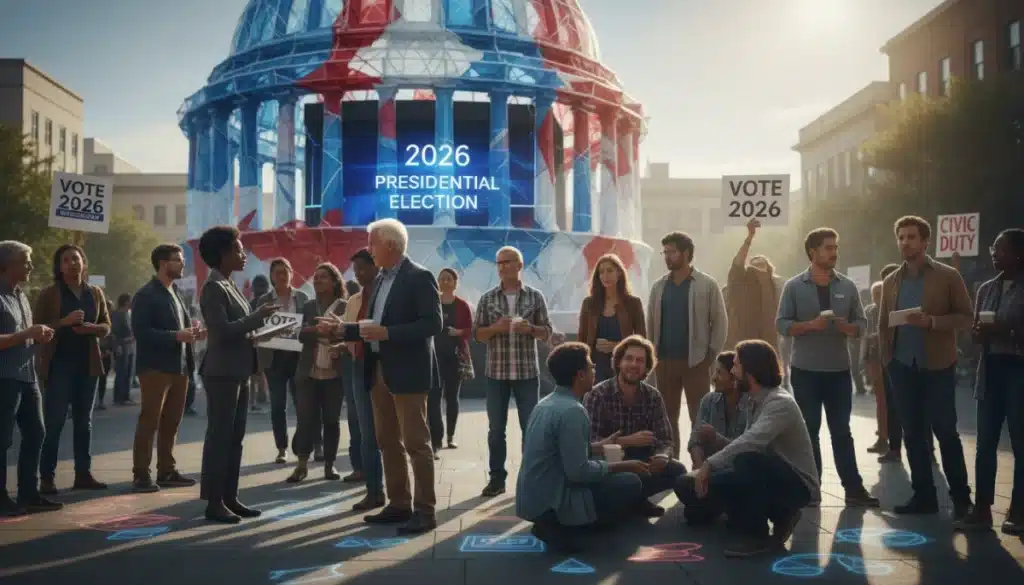
The political landscape is already buzzing with anticipation as the 2026 presidential election draws closer. Early polls offer a fascinating glimpse into the potential frontrunners and the critical policy debates that are beginning to define this electoral cycle. What issues will truly sway voters?
The early frontrunners and their initial standing
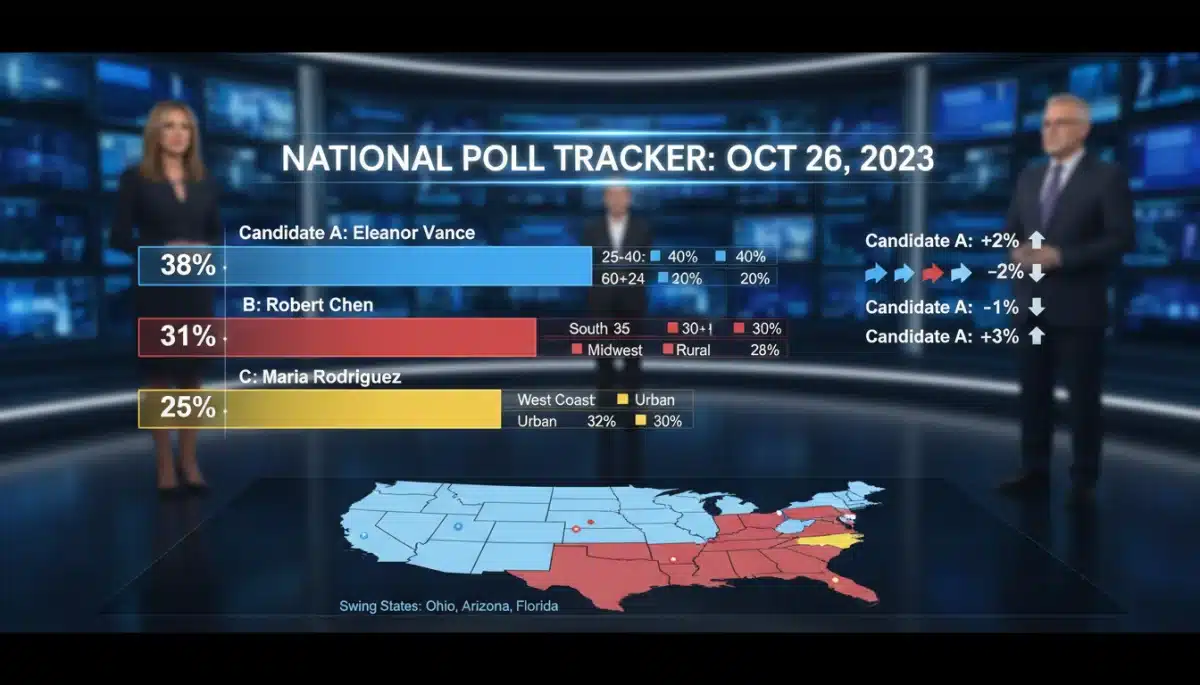
As the 2026 presidential election cycle officially begins to take shape, early polling data provides an initial look at the candidates capturing the public’s attention. While it’s still a considerable time until Election Day, these early indicators are crucial for understanding the initial dynamics and potential trajectories of the campaigns. Three figures, in particular, have consistently emerged at the top of various national surveys, signaling their strong recognition and preliminary support among the electorate.
Anúncios
Analyzing the leading candidates’ profiles
Each of the frontrunners brings a distinct background and political ideology to the table, appealing to different segments of the American voter base. Understanding their core messages and past political records is essential for dissecting why they resonate with their respective supporters.
- Candidate A: Often seen as a continuation of established party lines, focusing on stability and experienced governance. Their platform emphasizes economic growth through traditional fiscal policies and strengthening international alliances.
- Candidate B: A more populist figure, appealing to voters disillusioned with the status quo. Their campaign centers on radical reforms in social welfare and a re-evaluation of global trade agreements.
- Candidate C: Positioned as a moderate, aiming to bridge partisan divides. This candidate’s proposals often involve bipartisan solutions to national issues, focusing on practical outcomes over ideological purity.
These initial profiles are not static; campaigns will undoubtedly evolve, but they provide a foundational understanding of where each candidate stands. The strategies employed by these campaigns in the coming months will likely focus on solidifying their base while attempting to win over undecided voters.
The early standing of these candidates is not just a reflection of their individual appeal but also of the prevailing mood of the nation. Voters are grappling with a complex mix of economic uncertainties, social shifts, and geopolitical tensions, and their choices reflect their priorities in these areas. The coming months will be critical for these candidates to convert initial recognition into sustained momentum.
Key policy debates shaping the election narrative
Beyond individual personalities, the 2026 presidential election is already being defined by several critical policy debates that resonate deeply with the American public. These issues are not merely talking points; they represent fundamental disagreements about the direction the country should take. How candidates articulate their stances on these matters will significantly influence voter perception and ultimately, their decision at the ballot box.
Economic recovery and future prosperity
The state of the economy consistently ranks as a top concern for voters. Discussions revolve around inflation control, job creation, and equitable wealth distribution. Candidates are proposing vastly different approaches to these challenges.
- Fiscal Stimulus vs. Austerity: One camp argues for continued government investment to spur growth, while the other advocates for reduced spending and tax cuts to stimulate the private sector.
- Wage Growth and Inequality: Debates center on minimum wage policies, unionization, and corporate accountability to address the growing gap between high- and low-income earners.
- Trade Policies: The future of international trade agreements is a contentious point, with some favoring protectionist measures and others advocating for open markets.
These economic debates highlight the diverse philosophies on how best to ensure national prosperity and individual financial security. Voters will be scrutinizing not only the promises but also the feasibility and potential impact of each candidate’s economic vision.
Healthcare reform: A perennial battleground
Healthcare remains a deeply personal and politically charged issue. The 2026 election cycle is no exception, with renewed discussions on access, affordability, and the role of government in healthcare provision.
One faction advocates for a single-payer system, arguing it would ensure universal coverage and reduce administrative costs. Proponents believe this approach would eliminate profit motives from healthcare and guarantee care as a human right. Conversely, others champion market-based solutions, emphasizing private insurance and competition among providers to drive down costs and improve quality. They contend that government intervention stifles innovation and leads to inefficiencies.
Prescription drug pricing is another hot topic, with proposals ranging from government negotiation of drug prices to fostering more competition in the pharmaceutical industry. The debate also extends to mental health services, with increasing calls for better integration into primary care and expanded access to treatment. These discussions reflect the ongoing national struggle to balance comprehensive care with sustainable funding models.
Environmental policy and climate change
The urgency of climate change and environmental protection has made it a central issue in the 2026 election. Candidates are presenting varied strategies to address global warming, renewable energy, and conservation.
Approaches to climate action
Some candidates are pushing for aggressive climate action, including significant investments in renewable energy infrastructure, carbon taxes, and strict regulations on emissions. They argue that immediate and substantial changes are necessary to avert catastrophic environmental consequences. This perspective often aligns with international climate agreements and emphasizes the long-term sustainability of the planet.
In contrast, other candidates advocate for a more gradual approach, emphasizing technological innovation and market-based solutions over government mandates. They often highlight the economic impact of rapid transitions, focusing on balancing environmental concerns with energy security and industrial competitiveness. Debates also include the role of fossil fuels during the transition period and the feasibility of various carbon capture technologies.
- Renewable Energy Transition: Discussions on subsidies for solar and wind power, and the phasing out of coal and oil.
- Conservation and Land Use: Debates over protecting national parks, regulating industrial waste, and sustainable agricultural practices.
- International Climate Agreements: The extent of U.S. commitment to global climate accords and its role in international environmental diplomacy.
The public is increasingly aware of environmental challenges, and candidates’ abilities to present credible and comprehensive plans will be vital for winning over voters concerned about the planet’s future.
Social justice and civil rights in the national discourse
Issues of social justice and civil rights continue to be at the forefront of the national conversation, deeply influencing the platforms of candidates in the 2026 presidential election. These debates encompass a wide range of topics, from racial equality and gender rights to immigration reform and criminal justice. The way candidates navigate these sensitive issues can significantly impact their appeal to diverse voter demographics.
Key areas of social debate
One prominent area of discussion involves criminal justice reform. Advocates for reform emphasize reducing mass incarceration, addressing systemic biases within the legal system, and promoting rehabilitation over punitive measures. This often includes debates on policing practices, sentencing guidelines, and the role of community-based programs. Conversely, some candidates prioritize a ‘tough on crime’ stance, focusing on increased law enforcement presence and stricter penalties to ensure public safety.
Immigration policy is another highly contentious issue. Debates range from border security and pathways to citizenship for undocumented immigrants to the economic and cultural impact of immigration. Candidates offer varied solutions, from comprehensive reform packages that include both enforcement and integration measures, to more restrictive approaches focused primarily on border control and reduced legal immigration. These discussions often touch upon humanitarian concerns and national identity.
- Racial Equity: Policies aimed at addressing historical injustices, such as reparations discussions, affirmative action, and voting rights protection.
- Gender and LGBTQ+ Rights: Debates over reproductive rights, protections against discrimination based on sexual orientation and gender identity, and equal pay legislation.
- Education Reform: Discussions on equitable access to quality education, funding for public schools, and addressing disparities in educational outcomes across different communities.
These social justice and civil rights issues are not merely political talking points; they reflect deeply held values and beliefs within the American populace. Candidates’ ability to articulate a clear and compassionate vision for a more just society will be critical in swaying voters who prioritize these concerns.
Foreign policy and global standing
The United States’ role on the global stage is always a significant consideration in presidential elections, and the 2026 cycle is no different. Candidates are presenting their visions for America’s foreign policy, addressing alliances, international conflicts, and economic diplomacy. The complexity of global challenges requires candidates to demonstrate a nuanced understanding of international relations.
Navigating international relations
A central theme in foreign policy debates is the future of international alliances. Some candidates advocate for strengthening existing partnerships, such as NATO and other multilateral organizations, emphasizing collective security and shared values. They argue that a united front is essential for addressing global threats and promoting stability. Others propose a more independent approach, prioritizing national interests and re-evaluating the costs and benefits of long-standing commitments. This perspective often calls for a more transactional foreign policy, where alliances are judged on their immediate utility.
Responses to ongoing international conflicts and emerging geopolitical rivals also feature prominently. Candidates discuss strategies for de-escalation, humanitarian aid, and the use of diplomatic versus military force. Economic diplomacy, including trade agreements, sanctions, and development aid, is another critical area. Candidates debate how best to leverage America’s economic power to advance its interests and promote global prosperity. These discussions often involve balancing national security with economic opportunities and humanitarian responsibilities.
- Global Alliances: Debates on the strength and relevance of NATO, UN, and other international bodies.
- Trade and Tariffs: Discussions on fair trade practices, protectionist measures, and their impact on global economies.
- Cybersecurity and Digital Diplomacy: Strategies for combating cyber threats and shaping international norms in the digital space.
Voters are keenly aware of the interconnectedness of the world, and candidates’ abilities to articulate a coherent and effective foreign policy vision will be crucial in demonstrating their capacity to lead on a global scale.
| Key Point | Brief Description |
|---|---|
| Early Frontrunners | Three candidates consistently lead in initial national polls, each with distinct platforms. |
| Economic Debates | Inflation, job creation, and wealth distribution are central, with varied fiscal approaches. |
| Healthcare Reform | Discussions on universal access, affordability, and the role of government are ongoing. |
| Foreign Policy | Candidates debate global alliances, international conflicts, and economic diplomacy. |
Frequently asked questions about the 2026 presidential election
Early polls consistently show three distinct candidates leading the pack. While their names are not yet publicly confirmed for official candidacies, their political profiles and public recognition place them at the forefront of initial speculation and voter interest. These individuals represent a mix of established and emerging political figures.
Key policy debates center on economic recovery, particularly inflation and job creation, healthcare reform, and climate change. Additionally, social justice issues, immigration policies, and the nation’s foreign policy stance are also shaping the early narrative. Each candidate offers distinct approaches to these critical areas.
Early polls provide a snapshot of public opinion at a specific moment but are subject to significant change. They indicate initial recognition and sentiment, but do not predict final outcomes due to evolving campaign strategies, unforeseen events, and shifts in voter priorities as the election cycle progresses. They serve as valuable indicators, not definitive forecasts.
Social media and digital platforms are expected to play an even more crucial role in the 2026 election. They serve as primary channels for candidate communication, voter engagement, and rapid dissemination of news and campaign messages. Their influence extends to shaping public discourse, mobilizing supporters, and potentially impacting voter turnout.
Voter demographics will significantly influence the election, with shifts in age groups, ethnic populations, and geographic distribution affecting campaign strategies. Candidates will tailor messages to appeal to diverse segments, including younger voters, suburban populations, and various minority groups, each with unique concerns and priorities that can swing electoral outcomes.
Conclusion
The road to the 2026 presidential election is already proving to be a dynamic and multifaceted journey. Early polls provide a crucial lens into the initial preferences of the electorate, highlighting three prominent frontrunners whose campaigns are beginning to take shape. More importantly, the election is being defined by robust debates on fundamental policy issues, including economic stability, healthcare access, climate action, social justice, and America’s role in global affairs. As these discussions evolve, they will undoubtedly shape public opinion and determine the trajectory of the nation. The coming months will be pivotal as candidates refine their messages and voters continue to engage with the complex choices ahead.