Homeschooling in the US: 2026 Regulations and Resources Update

Anúncios
Understanding the landscape of homeschooling in the US for 2026 involves navigating a complex web of state-specific regulations, diverse curriculum choices, and an expanding array of support resources critical for educational success.
Considering homeschooling for your child in the United States? The educational journey is both rewarding and challenging, especially with the continuous evolution of policies and available tools. This article delves into the current and anticipated landscape of homeschooling US 2026, providing a comprehensive overview of updated regulations and essential resources to empower your family’s educational choices.
Anúncios
Understanding the Legal Framework for Homeschooling in 2026
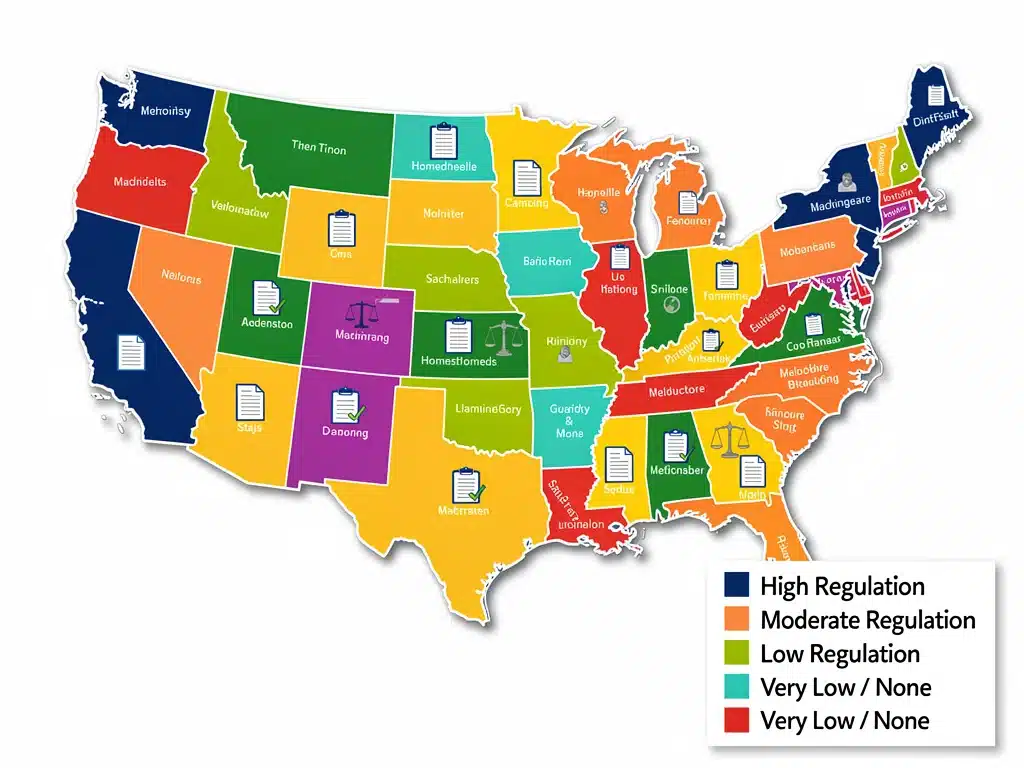
The legal framework governing homeschooling in the United States is primarily determined at the state level, leading to a diverse array of requirements across the nation. For families planning to homeschool in 2026, it’s crucial to understand that these regulations can vary significantly, impacting everything from notification requirements to curriculum mandates and assessment protocols. Staying informed about the specific laws in your state is the first and most critical step in ensuring legal compliance and a smooth homeschooling experience.
While federal law does not directly regulate homeschooling, state laws typically fall into a few broad categories, each with its own set of obligations for parents. These categories range from states with minimal intervention, where parents have significant autonomy, to those with more stringent oversight, requiring specific curriculum approval or regular assessments. The dynamic nature of education policy means that what was true last year might have subtle, yet important, changes by 2026.
Anúncios
State-Specific Regulations and Compliance
Each state has its own unique set of laws regarding homeschooling. These often include requirements for:
- Notification of Intent: Many states require parents to submit a letter of intent to homeschool to their local school district or state education department annually.
- Curriculum Requirements: Some states mandate specific subjects be taught, while others offer broad guidelines or allow parents complete freedom in curriculum choice.
- Assessment and Evaluation: This can range from standardized testing to portfolio reviews or professional evaluations, often required at specific grade levels or intervals.
- Parental Qualifications: A few states may require parents to hold certain educational qualifications, though this is less common.
Understanding these nuances is vital. For instance, a family moving from a state with minimal regulations to one with more oversight might find themselves needing to adjust their homeschooling approach significantly. Resources like the Home School Legal Defense Association (HSLDA) provide up-to-date legal summaries for each state, which will be invaluable for 2026 planning.
Potential Legislative Changes for 2026
Legislative sessions occur annually, and bills related to homeschooling are frequently introduced. While predicting exact changes for 2026 is challenging, trends suggest continued discussion around student outcomes, access to public school resources for homeschoolers, and potential adjustments to reporting requirements. Parents should monitor their state legislature’s activity and engage with local homeschooling advocacy groups to stay abreast of any proposed changes that could impact their educational plans. Proactive engagement can help families prepare for any new mandates or opportunities that may arise.
The landscape of homeschooling law is not static; it’s a living, breathing system that responds to societal changes, educational research, and parental advocacy. Being informed means being empowered, and for 2026, this will be no different. Families must take the initiative to research and understand their specific state’s requirements, ensuring a legally sound and educationally rich homeschooling environment for their children.
Choosing the Right Curriculum for Your Homeschool Journey
Selecting an appropriate curriculum is perhaps one of the most significant decisions homeschooling parents face. The vast array of options available can be overwhelming, but it also means there’s a perfect fit for nearly every learning style and family philosophy. In 2026, the market for homeschooling curricula continues to expand, offering everything from traditional textbook-based programs to innovative online platforms and interest-led learning approaches.
The key to successful curriculum selection lies in understanding your child’s individual needs, your family’s educational goals, and your homeschooling philosophy. There isn’t a one-size-fits-all solution, and what works for one family might not work for another. It’s an exploration process that often involves trial and error, but with careful consideration, you can find resources that foster a love for learning and meet academic standards.
Diverse Curriculum Approaches
Homeschooling curricula can generally be categorized into several approaches:
- Traditional: Mimics conventional schooling with textbooks, workbooks, and tests. Examples include Abeka, BJU Press.
- Classical: Focuses on a three-stage learning model (grammar, logic, rhetoric) and emphasizes great books and history.
- Charlotte Mason: Utilizes living books, nature study, and short lessons to cultivate a love for learning.
- Unit Studies: Integrates all subjects around a central theme or topic, making learning interdisciplinary.
- Unschooling/Interest-Led: Child-directed learning where education emerges from the child’s natural curiosity and interests.
Many families also opt for an eclectic approach, blending elements from several methodologies to create a customized learning experience. This flexibility is one of the greatest advantages of homeschooling, allowing for a truly personalized education.
Evaluating Curriculum Options for 2026
When evaluating curricula, consider the following:
- Learning Style: Does the curriculum align with how your child learns best (visual, auditory, kinesthetic)?
- Teaching Style: Does it suit your preferred method of instruction?
- Cost: Curricula can range from free online resources to expensive all-in-one packages.
- Time Commitment: How much preparation and teaching time does it require?
- State Requirements: Does it help you meet your state’s academic standards?
Online reviews, homeschooling forums, and curriculum fairs are excellent resources for gathering information and insights from other homeschooling families. Many providers also offer samples or free trials, which can be invaluable in making an informed decision. For 2026, expect even more digital and hybrid options, reflecting advancements in educational technology.
Ultimately, the best curriculum is one that engages your child, supports your family’s values, and is sustainable for you as the educator. Don’t be afraid to adapt, combine, or even change curricula if it’s not working. The goal is a rich and effective learning environment.
Leveraging Online Platforms and Digital Resources
The digital age has revolutionized homeschooling, providing an unprecedented wealth of online platforms and digital resources that can enrich any curriculum. For homeschooling US 2026, these tools are not just supplementary; they are often integral to delivering engaging, interactive, and high-quality education. From comprehensive online schools to subject-specific apps and virtual field trips, the possibilities are vast and continually expanding.
The accessibility and flexibility of digital resources make them particularly appealing to homeschooling families. They can offer personalized learning paths, immediate feedback, and access to expert instruction that might not be available locally. Furthermore, many digital platforms are designed to be adaptive, adjusting to a student’s pace and learning style, which is a significant advantage for individualized education.
Popular Online Homeschooling Platforms
Several online platforms cater specifically to homeschooling families:
- All-in-One Online Schools: These provide a full curriculum, often with live classes, certified teachers, and record-keeping services. Examples include K12, Calvert Education, and Abeka Academy.
- Subject-Specific Learning Sites: Platforms like Khan Academy, IXL, and BrainPOP offer extensive lessons, practice exercises, and tutorials for various subjects, from math and science to humanities.
- Virtual Labs and Simulations: For subjects like science, virtual labs can provide hands-on experiences that might be difficult to replicate at home.
- Language Learning Apps: Duolingo, Rosetta Stone, and Babbel make learning a new language accessible and fun.
The convenience of these platforms means learning can happen anywhere, anytime, allowing families to integrate education seamlessly into their daily lives and travel plans. Many also offer progress tracking, which is helpful for record-keeping and demonstrating academic advancement.
Integrating Digital Tools for Enhanced Learning
Beyond structured platforms, a myriad of digital tools can enhance the homeschooling experience:
- Educational Apps: From early literacy to advanced calculus, there are apps designed to make learning interactive and engaging.
- E-books and Online Libraries: Access to a vast collection of literature, non-fiction, and research materials is readily available through services like local library digital collections and Project Gutenberg.
- Documentaries and Educational Videos: Streaming services and platforms like YouTube offer a wealth of documentaries, lectures, and educational series that can bring subjects to life.
- Virtual Field Trips: Many museums, zoos, and historical sites offer virtual tours, allowing students to explore the world from home.
When incorporating digital resources, it’s important to curate content carefully, ensuring it aligns with your educational goals and values. Balancing screen time with other learning activities, such as reading physical books, outdoor exploration, and hands-on projects, is also key to a well-rounded education. Digital tools are powerful allies, but they are most effective when used thoughtfully as part of a broader educational strategy.
Building a Strong Support Network for Homeschooling Families
Homeschooling, while deeply rewarding, can sometimes feel isolating. Building a strong support network is paramount for the long-term success and well-being of both parents and children. In 2026, the emphasis on community and shared experiences continues to be a cornerstone for many homeschooling families, providing encouragement, resources, and social opportunities that enrich the educational journey.
A robust support system can offer practical advice, emotional encouragement, and a sense of belonging. It can also provide avenues for social interaction for homeschooled children, dispelling common misconceptions about their socialization. Whether online or in-person, these networks are invaluable for navigating challenges and celebrating successes.
Local Homeschooling Groups and Co-ops
Local groups are often the first line of support for homeschooling families:
- Support Groups: These informal or semi-formal gatherings offer parents a chance to share experiences, ask questions, and receive advice from seasoned homeschoolers. They often organize field trips, park days, and other social events.
- Homeschool Co-ops (Cooperatives): Co-ops are groups of homeschooling families who pool their resources to provide classes, workshops, or activities. Parents typically volunteer to teach subjects they are proficient in, offering specialized instruction in areas like science, art, or foreign languages.
Joining a local group or co-op can provide children with opportunities for peer interaction, group projects, and friendships, which are crucial for their social development. For parents, these groups offer a vital connection point, fostering a sense of community and reducing feelings of isolation.
Online Communities and National Organizations
Beyond local groups, a wealth of online communities and national organizations provide support:
- Online Forums and Social Media Groups: Platforms like Facebook, Reddit, and dedicated homeschooling forums host active communities where parents can connect, share resources, and discuss challenges from across the country.
- National Homeschooling Organizations: Organizations such as HSLDA, the National Home Education Research Institute (NHERI), and state-level homeschooling associations offer legal guidance, research, advocacy, and educational resources.
- Curriculum-Specific Communities: Many curriculum providers also host online communities where users can share tips, ask questions, and connect with others using the same materials.
These online and national resources are particularly useful for families in rural areas or those with unique educational needs, providing access to a broader network of expertise and support. Engaging with these communities can help families stay informed about national trends, legal updates, and new educational opportunities relevant to homeschooling US 2026.
Building a strong support network is an ongoing process. It involves actively seeking out connections, participating in discussions, and contributing to the community. The benefits, both for the homeschooling parents and their children, are immeasurable, creating a more enriching and sustainable educational environment.
Ensuring Socialization and Extracurricular Opportunities
One of the most persistent misconceptions about homeschooling is the idea that homeschooled children lack adequate socialization. In reality, homeschooling families often go to great lengths to ensure their children have diverse and meaningful social interactions, alongside a rich array of extracurricular activities. For homeschooling US 2026, the opportunities for socialization and engagement are more abundant and varied than ever before, challenging old stereotypes and fostering well-rounded individuals.
Homeschooling allows for a different kind of socialization, one that is often more organic and less confined to a single age group or social setting. Children interact with people of all ages, from different backgrounds, and in various contexts, preparing them for real-world interactions rather than just peer-group dynamics.
Diverse Avenues for Social Interaction
Homeschooled children have numerous ways to socialize:
- Homeschool Co-ops and Groups: As mentioned, these provide regular opportunities for children to interact with peers in academic and social settings.
- Community Activities: Participation in local sports leagues, dance classes, art workshops, music lessons, and scouting groups offers consistent social engagement with children who share similar interests.
- Volunteering: Engaging in community service exposes children to diverse groups of people and fosters a sense of responsibility and empathy.
- Library Programs: Many public libraries offer specific programs for homeschooled children, including book clubs, educational workshops, and social gatherings.
- Playdates and Family Gatherings: Arranging regular playdates with friends and participating in family events ensures consistent social contact.
The nature of homeschooling allows for a more intentional approach to socialization, where parents can choose environments and activities that align with their family’s values and their child’s personality. This often leads to deeper, more meaningful connections rather than superficial interactions.
Accessing Extracurricular and Enrichment Programs
Homeschooling does not mean missing out on extracurricular activities; in fact, it often means having more flexibility to pursue them:
- Sports: Many public and private school districts allow homeschooled students to participate in their sports programs. There are also dedicated homeschool sports leagues.
- Arts and Music: Community centers, private instructors, and local arts organizations offer a wide range of classes in visual arts, theater, and various musical instruments.
- Clubs and Organizations: From robotics clubs to debate teams, many organizations welcome homeschooled students, providing opportunities to explore interests and develop new skills.
- Dual Enrollment Programs: High school-aged homeschoolers can often enroll in college courses, gaining exposure to higher education environments and earning college credit.
The flexibility of a homeschooling schedule allows children to delve deeply into their passions without the constraints of a traditional school day. This can lead to highly specialized skills and a well-rounded individual with a broad range of experiences. For 2026, the integration of online platforms also means virtual clubs and interest groups are becoming increasingly popular, expanding access to specialized communities regardless of geographic location.

Record-Keeping and Portfolio Development
Effective record-keeping and portfolio development are essential aspects of homeschooling, serving multiple purposes from legal compliance to showcasing a child’s academic progress. As homeschooling US 2026 continues to evolve, the importance of meticulous documentation remains a constant, providing a clear picture of the educational journey and meeting any state-mandated requirements.
These records are not just bureaucratic necessities; they are valuable tools for parents to track learning, identify areas for growth, and celebrate achievements. A well-maintained portfolio can be a source of pride for a student and a comprehensive overview of their educational experiences.
Essential Records to Maintain
While specific requirements vary by state, generally recommended records include:
- Attendance Records: A simple log of days or hours spent on instruction, often a state requirement.
- Curriculum Records: A list of subjects taught, textbooks used, and learning materials utilized.
- Work Samples: Examples of completed assignments, projects, essays, and artwork that demonstrate learning.
- Grades or Evaluations: Records of academic performance, whether through formal grading or narrative evaluations.
- Reading Logs: A list of books read, important for demonstrating literacy development.
- Extracurricular Activities: Documentation of participation in sports, clubs, volunteer work, and other enrichment activities.
Keeping these records organized from the beginning can save significant time and stress, especially if an audit or formal review is required by your state. Digital tools and apps specifically designed for homeschooling record-keeping can simplify this process.
Developing a Comprehensive Portfolio
A homeschooling portfolio is more than just a collection of papers; it’s a dynamic representation of a child’s educational journey. It should tell a story of their learning and growth over time. For older students, a well-curated portfolio becomes particularly important for college applications, job interviews, or demonstrating competencies.
Tips for portfolio development:
- Regular Updates: Add work samples and documentation periodically throughout the school year.
- Variety of Work: Include diverse examples that showcase different skills and subjects.
- Reflections: Encourage your child to include their own reflections on their learning, explaining what they learned from a project or assignment.
- Evidence of Progress: Include samples from the beginning, middle, and end of the year to illustrate growth.
- Organization: Use binders, digital folders, or online portfolio tools to keep everything neat and accessible.
Some states require annual portfolio reviews by a certified educator or a review panel. Understanding these specific requirements for 2026 will help tailor your record-keeping strategy. A thoughtfully assembled portfolio not only meets legal obligations but also becomes a cherished chronicle of a child’s unique educational path, celebrating their individuality and achievements.
Future Trends and Innovations in Homeschooling for 2026
The homeschooling landscape is not static; it is continually evolving, driven by technological advancements, shifts in educational philosophy, and the diverse needs of families. As we look towards homeschooling US 2026, several key trends and innovations are expected to shape the future of home education, offering new opportunities and challenges for parents and students alike.
These trends highlight a move towards even greater personalization, flexibility, and integration of cutting-edge educational approaches. Staying informed about these developments can help homeschooling families prepare for the future and leverage the best available resources.
Emerging Educational Technologies
Technology will continue to play a transformative role:
- Artificial Intelligence (AI) in Learning: AI-powered tutors and adaptive learning platforms are becoming more sophisticated, offering highly personalized instruction and immediate feedback tailored to individual student needs.
- Virtual and Augmented Reality (VR/AR): Immersive VR/AR experiences can bring subjects to life, allowing students to explore ancient civilizations, conduct virtual science experiments, or dissect virtual organisms in ways previously unimaginable.
- Gamification of Learning: Educational games and gamified learning platforms will become even more prevalent, making complex topics engaging and motivating for students.
- Blockchain for Credentials: Secure digital credentials using blockchain technology could simplify record-keeping and transcript verification for homeschooled students.
These technologies promise to make homeschooling even more dynamic and effective, providing access to resources and experiences that rival or even surpass those found in traditional school settings. However, it will be crucial for parents to evaluate these tools carefully to ensure they align with their educational goals and are used responsibly.
Personalized Learning Paths and Micro-Credentialing
The future of homeschooling leans heavily into personalized learning:
- Customized Learning Journeys: Increased availability of modular curricula and AI-driven platforms will allow for highly customized learning paths that adapt to a student’s interests, strengths, and pace.
- Micro-Credentialing: Beyond traditional diplomas, micro-credentials and digital badges for specific skills or competencies will become more recognized, offering homeschooled students alternative ways to demonstrate their abilities to colleges and employers.
- Project-Based Learning Expansion: A continued emphasis on project-based learning will allow students to engage deeply with topics, develop critical thinking skills, and create tangible outcomes.
This shift empowers students to take greater ownership of their education, fostering intrinsic motivation and preparing them for a future that values adaptable skills and continuous learning. For 2026, the focus will increasingly be on what students can do and create, rather than just what they can recall.
The landscape of homeschooling for 2026 is one of exciting possibilities and ongoing adaptation. By embracing new technologies, understanding evolving regulations, and building strong support systems, homeschooling families can continue to provide an exceptional and tailored education for their children, preparing them for a successful and fulfilling future in an ever-changing world.
| Key Aspect | Brief Description |
|---|---|
| Legal Regulations | State-specific laws govern homeschooling, requiring compliance with varying notification, curriculum, and assessment rules. |
| Curriculum Choice | Diverse options available, from traditional to unschooling, emphasizing alignment with child’s needs and family philosophy. |
| Digital Resources | Online platforms, apps, and virtual tools enhance learning, offering flexibility and personalized educational paths. |
| Support Networks | Local groups, co-ops, and online communities provide vital support, socialization, and shared resources for families. |
Frequently Asked Questions About Homeschooling in 2026
Legal requirements for homeschooling in 2026 are state-dependent. Most states mandate notification of intent to homeschool, while others might require specific curriculum, standardized testing, or portfolio reviews. Families must research their specific state’s laws to ensure compliance, as these regulations can evolve annually.
Choosing a curriculum for 2026 involves considering your child’s learning style, your teaching philosophy, and state requirements. Options range from traditional textbooks to unschooling, with many digital resources available. Research, online reviews, and trial periods can help you find a suitable and engaging educational approach.
Yes, homeschooled children in 2026 have ample social opportunities. These include local co-ops, community sports, clubs, volunteer work, and various online groups. Parents actively seek diverse interactions, ensuring children develop strong social skills and friendships outside of traditional school settings.
Technology will be increasingly vital in homeschooling by 2026. AI-powered tutors, VR/AR experiences, gamified learning, and comprehensive online platforms will offer personalized, interactive, and immersive educational experiences. Digital tools will continue to expand access to diverse learning resources and specialized instruction.
For 2026, essential record-keeping for homeschooling typically includes attendance logs, curriculum plans, work samples, and evaluations. Some states require a comprehensive portfolio review. Maintaining organized records ensures legal compliance and provides a valuable overview of your child’s academic progress and achievements.
Conclusion
Navigating the dynamic world of homeschooling US 2026 requires diligence, adaptability, and access to reliable information. From understanding the nuances of state-specific regulations to carefully selecting curriculum and leveraging digital innovations, the journey is multifaceted. By actively engaging with support networks, fostering rich social experiences, and maintaining meticulous records, homeschooling families can create an incredibly personalized and effective educational environment. The future of home education is bright, promising even more tools and communities to empower parents in shaping their children’s learning paths and preparing them for a successful and fulfilling future in an ever-changing world.