Census Bureau’s Latest Population Estimates: US Growth Slows to 0.3% in 2026
Anúncios
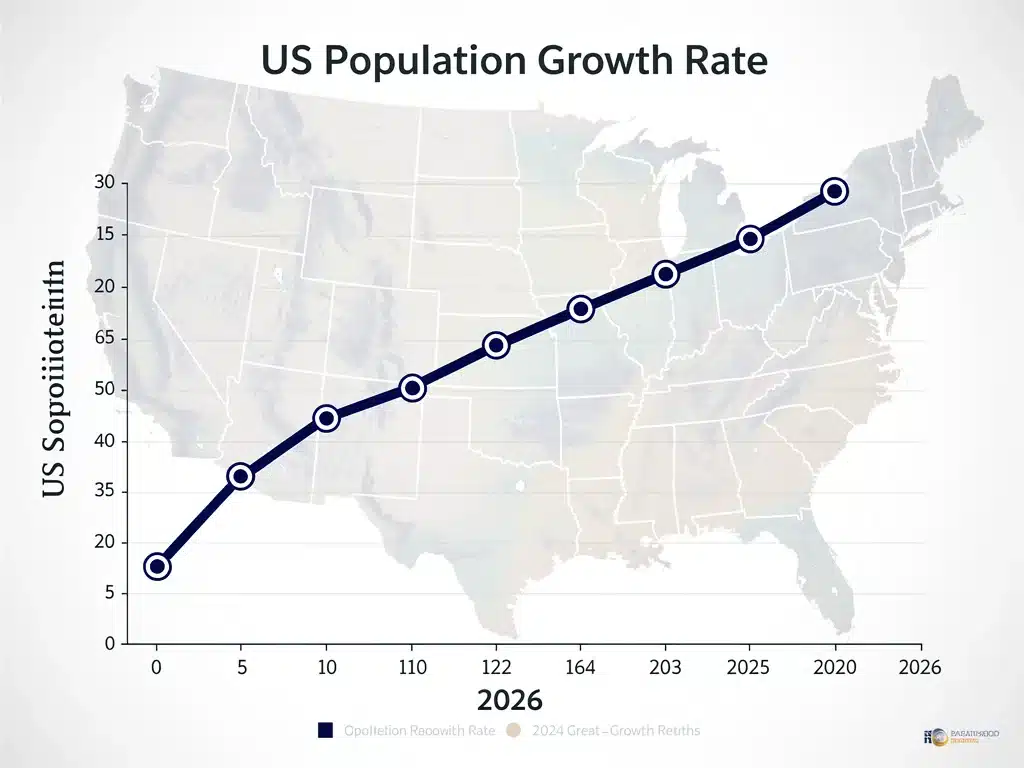
The Census Bureau’s latest population estimates project a significant slowdown in US population growth to 0.3% by 2026, driven by declining birth rates, an aging population, and shifting international migration patterns.
The latest projections from the Census Bureau reveal a notable shift in the nation’s demographic landscape: US population growth is anticipated to slow significantly, reaching just 0.3% by 2026. This isn’t merely a statistic; it’s a critical indicator with profound implications for everything from economic planning and social services to infrastructure development and political representation. What factors are driving this deceleration, and what might it mean for the future of the United States?
Anúncios
Understanding the Slowdown: Key Demographic Drivers
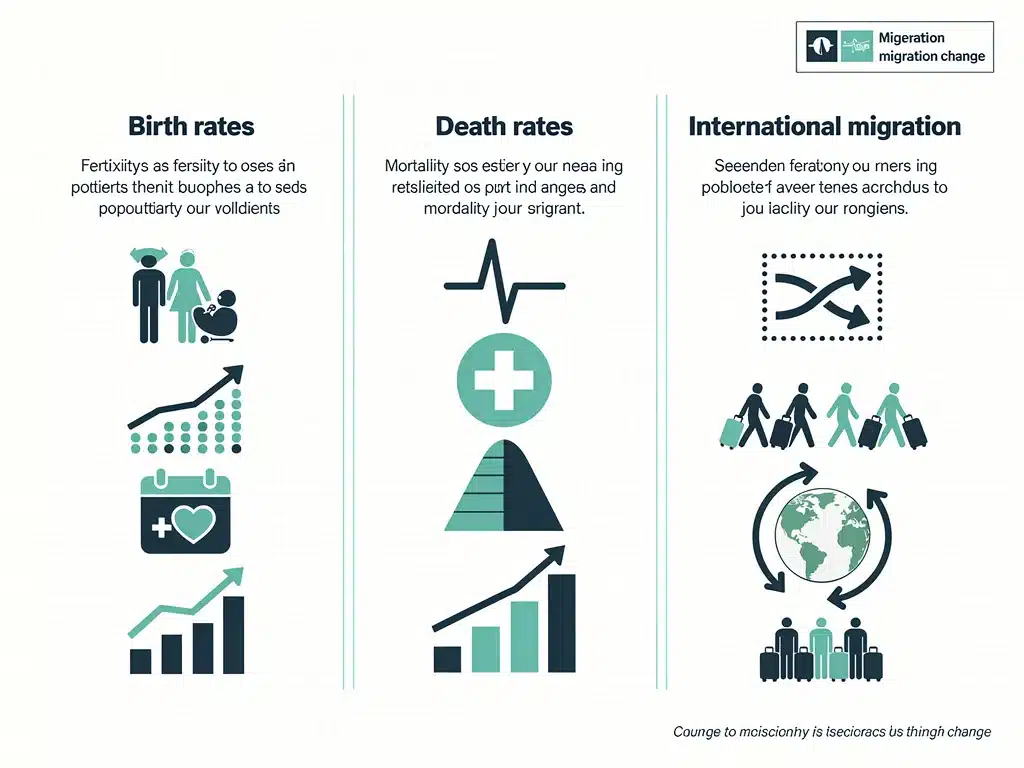
The deceleration in US population growth to an anticipated 0.3% by 2026 is not a singular event but the culmination of several interconnected demographic trends. To grasp the full scope of this shift, it’s essential to examine the primary forces at play: birth rates, mortality, and international migration.
For decades, the United States has relied on a combination of natural increase (births minus deaths) and net international migration to fuel its population expansion. However, recent data suggests a weakening in both these pillars. The implications extend far beyond mere numbers, touching upon the very fabric of American society and economy.
Anúncios
Declining Birth Rates
One of the most prominent factors contributing to the slower growth is the persistent decline in birth rates across the nation. This trend has been observed for several years, influenced by a multitude of socioeconomic factors. Fewer births mean a smaller cohort entering the population each year, directly impacting the natural increase component of growth.
- Economic Uncertainty: Financial instability and the rising cost of raising children often lead couples to delay or forgo parenthood.
- Changing Social Norms: Women are pursuing higher education and careers, often delaying marriage and childbirth.
- Access to Contraception: Wider availability and use of effective contraception give individuals more control over family planning.
- Aging Population: As the population ages, a smaller proportion of women are in their prime childbearing years.
Shifts in International Migration
Historically, international migration has been a significant contributor to US population growth, often offsetting periods of lower natural increase. However, migration patterns are complex and can fluctuate dramatically due to policy changes, global events, and economic conditions. Recent years have seen varying trends in net international migration.
While migration can provide a vital boost to the working-age population and contribute to economic dynamism, changes in immigration policies and global circumstances can significantly alter its impact on overall population figures. The interplay between these factors determines the extent to which migration can counterbalance other demographic shifts.
In essence, the projected slowdown is a complex demographic puzzle. Each piece—birth rates, mortality, and migration—contributes to the overall picture of a nation experiencing a more moderate pace of population change. Understanding these drivers is the first step toward anticipating and addressing their broad societal effects.
Economic Consequences of Slower Growth
A slowdown in US population growth, particularly to 0.3% by 2026, carries significant economic implications that warrant careful consideration. Population dynamics are inextricably linked to economic health, influencing everything from labor supply and consumer demand to innovation and fiscal stability.
Economists often view population growth as a foundational element for sustained economic expansion. A growing population typically means an expanding workforce, increased consumption, and a larger tax base. When this growth decelerates, the economic landscape begins to shift in fundamental ways.
Labor Market Dynamics
One of the most immediate impacts of slower population growth is on the labor market. A shrinking pool of new entrants can lead to labor shortages in various sectors, potentially driving up wages but also slowing down overall economic output. Businesses might find it harder to fill essential roles, affecting productivity and competitiveness.
- Worker Shortages: Industries reliant on a steady influx of young workers, such as healthcare and technology, could face significant challenges.
- Aging Workforce: As the population ages, a larger proportion of the workforce approaches retirement, further exacerbating labor supply issues.
- Innovation Stifled: A smaller, older workforce might be less adaptable to new technologies and less prone to entrepreneurial risk-taking, potentially slowing innovation.
Consumer Demand and Economic Activity
Fewer people generally translate to lower overall consumer demand. This can affect various industries, from housing and retail to education and transportation. A smaller customer base could lead to slower revenue growth for businesses and potentially reduced investment.
Moreover, demographic shifts can alter the composition of demand. An aging population, for instance, typically demands more healthcare services and less of certain consumer goods. Businesses and policymakers will need to adapt to these evolving consumption patterns to maintain economic vitality.
The economic ramifications of a slower growing population are multifaceted. While some sectors may experience challenges, others might find opportunities in adapting to new market demands. Understanding these dynamics is crucial for crafting effective economic policies and ensuring long-term prosperity.
Social and Cultural Shifts
Beyond the economic sphere, a slower US population growth rate of 0.3% by 2026 also heralds significant social and cultural shifts. Demographics are not just about numbers; they shape communities, influence intergenerational relationships, and redefine societal priorities. These changes will resonate through various aspects of daily life.
Societies are dynamic entities, constantly evolving with their populations. A slower growth trajectory can alter the social fabric, challenging existing norms and necessitating new approaches to community building and social support systems. The composition of families, neighborhoods, and even national identity can be influenced by these demographic trends.
Aging Population and Social Support
A key social consequence is the acceleration of an already aging population. With fewer births and increased longevity, the proportion of older adults in the population will continue to rise. This demographic shift places increased pressure on social support systems, particularly those related to healthcare and retirement.
- Healthcare Demands: An older population requires more extensive and specialized healthcare services, potentially straining existing infrastructure and resources.
- Social Security and Medicare: Funding for these critical programs, which rely on contributions from a younger, working population, could face sustainability challenges.
- Family Structures: Changes in birth rates and life expectancy can alter family dynamics, with fewer younger relatives available to provide care for elderly family members.
Community Development and Urban Planning
Slower population growth can also influence urban and rural development patterns. Cities might experience slower expansion, or even contraction in some areas, necessitating different approaches to infrastructure planning, housing, and public services. The focus might shift from accommodating rapid growth to maintaining and revitalizing existing communities.
Furthermore, the cultural landscape can be shaped by changing demographics. Migration patterns, for instance, play a crucial role in introducing new traditions, languages, and perspectives, enriching the cultural tapestry of the nation. A slowdown in migration could alter the pace and nature of this cultural evolution.
In summary, the social and cultural implications of a slower growing population are profound. They demand proactive planning and adaptation to ensure that communities remain vibrant, social support systems are robust, and the nation continues to thrive amidst evolving demographic realities.
Policy Implications and Future Planning
The projected slowdown in US population growth to 0.3% by 2026 presents a critical juncture for policymakers and future planning. This demographic shift necessitates a re-evaluation of existing policies and the formulation of new strategies across various sectors to mitigate potential challenges and leverage emerging opportunities.
Effective policy responses will require a nuanced understanding of the underlying causes of slower growth and their potential long-term effects. A reactive approach risks exacerbating problems, while a proactive, data-driven strategy can help steer the nation towards a more resilient and prosperous future.
Rethinking Economic and Labor Policies
Given the potential for labor shortages and shifts in consumer demand, policymakers will need to consider innovative approaches to economic and labor policy. This could involve initiatives aimed at boosting workforce participation, enhancing productivity through technology, and adapting immigration policies to address specific labor needs.
- Workforce Development: Investments in education, vocational training, and reskilling programs can help equip the existing workforce for future demands.
- Automation and AI: Encouraging the adoption of automation and artificial intelligence can help offset labor shortages and boost productivity.
- Immigration Reform: Thoughtful immigration policies can help attract skilled workers and contribute to demographic stability.
Adapting Social Programs and Infrastructure
The aging of the population and slower growth will necessitate reforms to social security, Medicare, and other age-related programs. Ensuring the long-term solvency of these systems will be paramount. Additionally, infrastructure planning will need to adapt from building for rapid expansion to maintaining and upgrading existing assets, and catering to the needs of an older demographic.
This includes not just physical infrastructure but also social infrastructure, such as elder care facilities, accessible public spaces, and community programs that foster intergenerational connections. Proactive planning in these areas can enhance the quality of life for all citizens.
The policy implications of slowing population growth are far-reaching, demanding a comprehensive and integrated approach. By anticipating these challenges and adapting policies accordingly, the United States can navigate the demographic transition successfully and build a sustainable future.
Regional Variations and Local Impact
While the national projection of 0.3% US population growth by 2026 provides an overarching trend, it’s crucial to recognize that demographic shifts often manifest with significant regional variations and localized impacts. The United States is a vast and diverse country, and population dynamics play out differently from one state or metropolitan area to another.
Understanding these regional nuances is vital for effective local planning and resource allocation. What might be a gradual slowdown at the national level could translate into significant growth in some areas and considerable decline in others, creating disparate challenges and opportunities across the country.
Divergent Growth Patterns Across States
Some states, particularly those in the South and West, have continued to experience robust population growth, often driven by internal migration from other parts of the country and continued international immigration. These areas may face ongoing demands for new housing, schools, and infrastructure.
Conversely, many states in the Northeast and Midwest, particularly those with aging industrial bases, have seen stagnant or even declining populations. These regions grapple with issues such as shrinking tax bases, underutilized infrastructure, and the challenge of attracting and retaining younger residents.
- Sun Belt Expansion: States like Florida, Texas, and Arizona continue to draw new residents, creating pressure on resources and services.
- Rust Belt Contraction: Areas in states like Ohio, Michigan, and Pennsylvania often face population loss, leading to vacant properties and economic stagnation.
- Rural-Urban Divide: Rural areas often experience out-migration of younger populations, while some urban centers continue to attract residents, though at a slower pace nationally.
Local Adaptation Strategies
Local governments and community leaders are on the front lines of these demographic changes. Their strategies must be tailored to specific local conditions, whether that means planning for continued growth, managing decline, or fostering revitalization. This includes targeted economic development, housing initiatives, and social programs.
For example, communities experiencing decline might focus on attracting remote workers, investing in downtown revitalization, or leveraging their natural amenities. Growing regions, on the other hand, might prioritize sustainable development, affordable housing, and efficient transportation systems to accommodate new residents.
Therefore, a national projection of slower growth doesn’t imply a uniform experience across the US. Regional variations will continue to shape local economies and communities, necessitating flexible and context-specific policy responses to ensure equitable development.
The Role of Technology and Innovation
In an era of slower US population growth, particularly with the projected 0.3% by 2026, the role of technology and innovation becomes even more critical. While population size and growth have historically been key drivers of economic expansion, technological advancements offer a powerful alternative for maintaining productivity, improving quality of life, and addressing demographic challenges.
Innovation can act as a force multiplier, allowing a smaller or slower-growing workforce to achieve greater output and solve complex societal problems. This shifts the focus from simply increasing the number of people to enhancing the capabilities and efficiency of the existing population.
Boosting Productivity and Economic Output
Automation, artificial intelligence, and advanced robotics can significantly increase productivity across various sectors, from manufacturing to services. These technologies can help offset potential labor shortages, allowing businesses to maintain or even expand output with fewer workers. This is crucial for sustaining economic growth in a slower-growing demographic environment.
- Automated Processes: Robots and AI can handle repetitive or physically demanding tasks, freeing human workers for more complex and creative roles.
- Data Analytics: Advanced analytics can optimize resource allocation, improve decision-making, and identify new market opportunities.
- Biotechnology and Healthcare: Innovations in these fields can extend healthy lifespans, improving the quality of life for an aging population and potentially extending workforce participation.
Addressing Social Challenges
Beyond economic productivity, technology can also play a vital role in addressing the social challenges associated with an aging population and changing demographics. Telemedicine can improve access to healthcare in rural areas, smart home technologies can assist elderly individuals with independent living, and educational platforms can facilitate lifelong learning and reskilling.
Moreover, innovation in sustainable technologies can help manage resource consumption more efficiently, an important consideration regardless of population growth rates. The development of green energy, advanced materials, and circular economy models can contribute to a more resilient future.
Ultimately, a slower population growth rate underscores the imperative for continuous investment in research, development, and technological adoption. Innovation offers a pathway to not only adapt to demographic shifts but also to thrive, creating new opportunities and enhancing the overall well-being of the nation.
Looking Ahead: The Future of US Demographics
The Census Bureau’s projection of 0.3% US population growth by 2026 invites us to look critically at the future trajectory of American demographics. This slowdown is not merely a temporary blip but rather indicative of deeper, long-term trends that will continue to shape the nation for decades to come. Understanding these future dynamics is essential for proactive governance and societal adaptation.
The future demographic landscape of the United States will be characterized by a complex interplay of evolving birth rates, changing mortality patterns, and fluctuating international migration flows. Each of these elements carries inherent uncertainties, making precise long-term predictions challenging but highlighting the need for flexible planning.
Evolving Birth and Death Rates
While birth rates have been declining, their future path is not set in stone. Economic improvements, policy interventions supporting families, or even cultural shifts could potentially lead to a stabilization or slight increase in fertility. However, the trend of smaller family sizes is likely to persist.
Conversely, advancements in medicine and public health are expected to continue extending life expectancies, albeit with potential plateaus. The balance between these two factors—births and deaths—will largely determine the extent of natural population change in the coming decades, reinforcing the aging trend.
The Unpredictable Nature of Migration
International migration remains the most volatile component of population change. Policy decisions, global economic conditions, and geopolitical events can dramatically alter migration flows. Whether the US maintains its appeal as a destination for immigrants and how immigration policies evolve will significantly impact future population totals and demographic composition.
- Policy Adjustments: Future immigration legislation could either restrict or expand pathways for new residents, directly affecting population growth.
- Global Events: Crises, conflicts, and economic opportunities in other parts of the world can influence the desire and ability of people to migrate to the US.
- Economic Pull Factors: The strength of the US economy relative to other nations will continue to be a major draw for potential immigrants.
The future of US demographics is a story still being written, influenced by a myriad of factors. While a slower growth rate appears to be the immediate future, the precise contours of this future will depend on how society responds to these trends, through policy, innovation, and cultural adaptation. Engaging with these challenges proactively will be key to shaping a prosperous and vibrant nation.
| Key Point | Brief Description |
|---|---|
| Projected Growth Rate | US population growth estimated to slow to 0.3% by 2026, a significant deceleration. |
| Key Drivers | Declining birth rates, an aging population, and shifts in international migration patterns. |
| Economic Impact | Potential labor shortages, altered consumer demand, and challenges for fiscal programs. |
| Policy Response | Necessity for adapted labor, social, and infrastructure policies to address new realities. |
Frequently Asked Questions About US Population Growth
The Census Bureau estimates that the US population growth rate will slow significantly to 0.3% by 2026. This represents a notable deceleration compared to historical growth trends, indicating a shift in demographic patterns across the nation.
Several key factors contribute to the slower growth: persistently declining birth rates, an increasingly aging population resulting in more deaths, and shifts in international migration patterns. These combined elements reduce both natural increase and net migration.
Slower growth can lead to potential labor shortages, particularly in certain sectors, and a shift in consumer demand patterns. It may also put pressure on the sustainability of social security and Medicare, requiring policy adjustments to maintain economic stability.
No, the impact will vary significantly by region. Some states, especially in the South and West, may continue to experience growth, while others, particularly in the Northeast and Midwest, could face stagnation or decline. Localized planning is therefore crucial.
Technology and innovation can help offset challenges by boosting productivity through automation and AI, improving healthcare for an aging population, and enabling more efficient resource management. This allows for sustained progress even with slower population growth.
Conclusion
The Census Bureau’s latest population estimates, forecasting a US population growth rate of just 0.3% by 2026, signal a pivotal moment for the nation. This deceleration, driven by complex demographic shifts, is poised to reshape the economic, social, and political landscapes of the United States. From evolving labor markets and changing consumer demands to the sustainability of social programs and the dynamics of community development, the implications are far-reaching. Proactive policy adjustments, sustained investment in innovation, and a nuanced understanding of regional variations will be crucial for navigating these demographic realities. The future prosperity and resilience of the US will largely depend on how effectively it adapts to this new era of slower, yet significant, population change.