Future of Vocational Training: US Education by 2026
Anúncios
The future of vocational training in US education by 2026 is poised for transformative growth, driven by technological advancements, evolving industry demands, and a renewed focus on practical, career-ready skills for a dynamic workforce.
The landscape of education is constantly shifting, but few areas are experiencing as rapid and profound a transformation as vocational training. As we look towards 2026, understanding the future of vocational training: what to expect in US education by 2026 becomes crucial for students, educators, and policymakers alike. This isn’t merely an evolution; it’s a fundamental reimagining of how skills are acquired, validated, and applied in a fast-paced global economy. Are you ready to explore the pivotal changes shaping this vital sector?
Anúncios
The evolving role of vocational training in the US economy
Vocational training, often referred to as Career and Technical Education (CTE), has historically been seen as an alternative to traditional four-year degrees. However, its role is rapidly expanding beyond this perception, becoming an indispensable component of the US economy. By 2026, CTE programs will be central to addressing critical workforce shortages and fostering innovation across various industries.
Anúncios
This shift is driven by several factors, including the increasing demand for skilled trades, the rapid pace of technological change, and a growing recognition that not all valuable careers require a bachelor’s degree. Vocational training offers direct pathways to employment, providing students with specific, in-demand skills that employers actively seek. Its economic impact is undeniable, contributing to productivity, competitiveness, and individual prosperity.
bridging the skills gap with targeted programs
One of the most significant challenges facing the US economy is the persistent skills gap. Many industries struggle to find qualified workers to fill specialized roles, from advanced manufacturing to healthcare. Vocational training programs are uniquely positioned to bridge this gap by offering highly targeted education and practical experience.
- Industry-aligned curricula: Programs are developed in close collaboration with industry partners to ensure relevance.
- Hands-on experience: Emphasis on practical application through labs, apprenticeships, and simulations.
- Rapid skill acquisition: Shorter program durations allow for quicker entry into the workforce.
The effectiveness of these programs lies in their ability to adapt quickly to changing industry needs, ensuring that graduates are equipped with the most current and relevant skills. This agility makes vocational training a vital tool for economic development and stability.
In conclusion, the perception and function of vocational training are undergoing a profound transformation. It is no longer a secondary option but a primary driver of economic growth and a crucial solution to the nation’s skills deficit, paving the way for a more robust and adaptable workforce by 2026.
Technological integration: AI, VR, and automation in the classroom
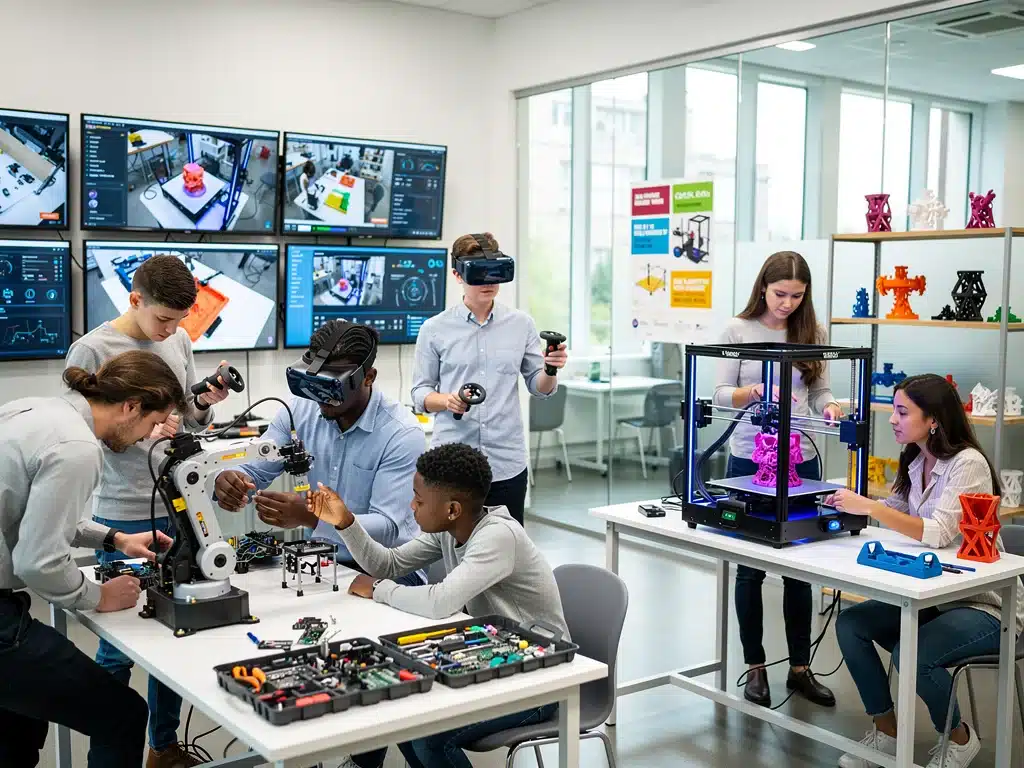
The integration of advanced technologies like Artificial Intelligence (AI), Virtual Reality (VR), and automation is revolutionizing vocational training. These tools are moving beyond mere novelty, becoming fundamental components of effective skill development by 2026. They offer immersive, safe, and highly efficient learning environments that were previously unimaginable.
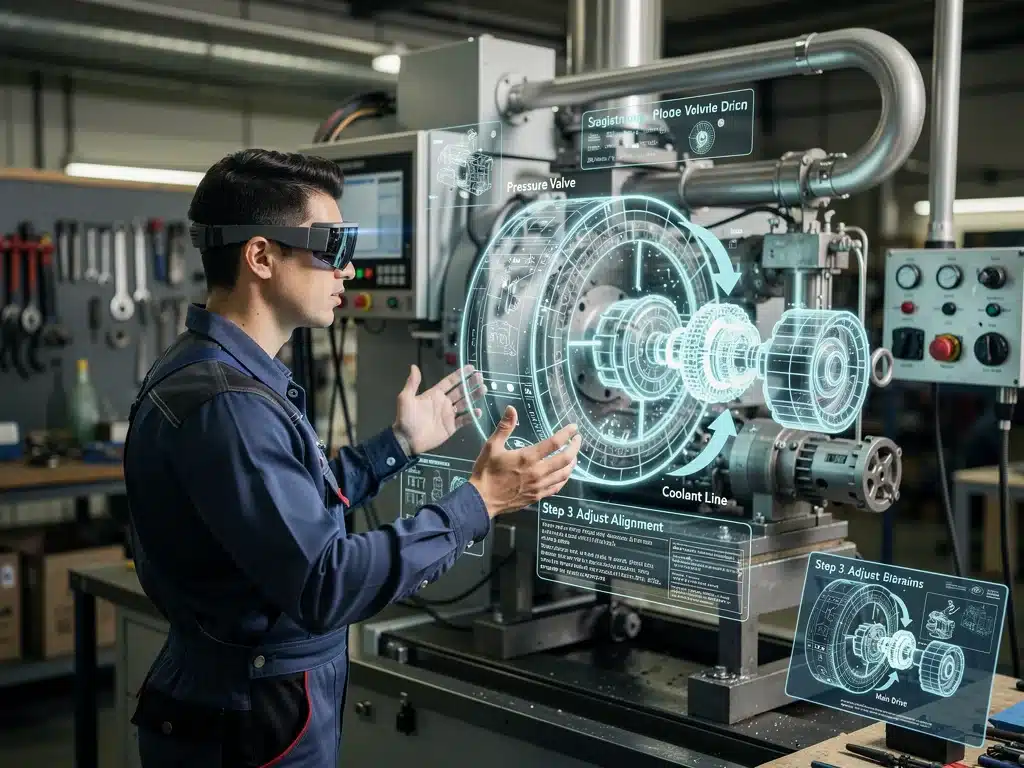
AI can personalize learning paths, identifying areas where students need extra support or advanced challenges. VR and Augmented Reality (AR) provide realistic simulations for complex tasks, allowing students to practice in a risk-free environment. Automation tools help streamline administrative processes and provide data insights into student performance, optimizing educational outcomes.
simulated environments for practical learning
One of the most impactful applications of new technology is the creation of simulated environments. These digital spaces allow students to gain practical experience without the need for expensive equipment or hazardous conditions.
- Virtual welding simulators: Offer realistic feedback and save on material costs.
- VR healthcare scenarios: Train future medical professionals in patient care and emergency procedures.
- Automated manufacturing lines: Allow students to troubleshoot and optimize industrial processes in a virtual setting.
These simulations not only enhance learning but also make vocational education more accessible and cost-effective. They prepare students for real-world challenges by exposing them to a wide range of scenarios, building confidence and competence before they even step into a professional environment.

The pervasive influence of technology in vocational education is undeniable. By leveraging AI, VR, and automation, institutions can offer unparalleled learning experiences that are both engaging and highly effective, ensuring that graduates are well-prepared for the technologically advanced workplaces of 2026 and beyond.
The rise of micro-credentials and stackable certifications
In a rapidly changing job market, the traditional model of education is often too slow to adapt. This has led to the significant rise of micro-credentials and stackable certifications in vocational training, a trend that will be even more pronounced by 2026. These flexible, modular learning units offer a nimble approach to skill acquisition, directly addressing immediate workforce needs.
Micro-credentials are focused, short-term programs that validate specific skills or competencies. Stackable certifications allow individuals to build upon these smaller units, progressively earning more comprehensive qualifications. This approach offers unparalleled flexibility, enabling workers to upskill or reskill quickly without committing to lengthy degree programs.
flexibility and relevance for the modern worker
The appeal of micro-credentials lies in their direct relevance to specific job roles and their flexible delivery. They cater to a diverse range of learners, including those already in the workforce looking to advance, or individuals seeking a career change.
- Targeted skill development: Focus on precise skills required by employers.
- Faster time to employment: Shorter training periods mean quicker entry or re-entry into the job market.
- Continuous learning pathways: Enables lifelong learning and adaptation to new technologies.
These certifications are often developed in partnership with industry, ensuring that the skills taught are exactly what employers are looking for. This collaborative model makes vocational training highly responsive to market demands, providing a powerful tool for workforce development.
Ultimately, micro-credentials and stackable certifications are reshaping how individuals acquire and demonstrate skills. Their flexibility and industry relevance make them a cornerstone of modern vocational training, empowering workers to stay competitive and adaptable in the evolving economic landscape of 2026.
Strengthening industry partnerships and apprenticeships
The future of vocational training in the US by 2026 hinges significantly on robust industry partnerships and the expansion of apprenticeship programs. These collaborations are essential for ensuring that education remains aligned with industry demands, providing students with invaluable real-world experience and direct pathways to employment.
Strong partnerships mean that employers have a direct hand in shaping curricula, advising on necessary skills, and even providing resources for training facilities. Apprenticeships, in particular, offer a potent combination of on-the-job learning and related classroom instruction, culminating in a highly skilled and work-ready individual.
the apprenticeship resurgence: earn while you learn
Apprenticeships are experiencing a resurgence, moving beyond traditional trades to include sectors like IT, healthcare, and advanced manufacturing. This model benefits both apprentices, who earn wages while learning, and employers, who gain a pipeline of trained talent.
- Direct employment opportunities: Many apprentices are hired by their sponsoring companies upon completion.
- Mentorship and guidance: Experienced professionals provide invaluable hands-on training.
- Skill development tailored to specific company needs: Ensures a perfect fit for the workforce.
The emphasis on earning while learning makes apprenticeships an attractive option for many, reducing the financial burden often associated with higher education. This model effectively integrates theoretical knowledge with practical application, producing highly competent professionals.
In essence, strengthening industry partnerships and expanding apprenticeship opportunities are not just beneficial; they are critical for the continued success and relevance of vocational training. These collaborations ensure that the workforce of 2026 is skilled, adaptable, and directly responsive to the needs of the economy.
Addressing equity and access in vocational education
As vocational training evolves, ensuring equitable access and outcomes for all students becomes paramount. By 2026, efforts to address disparities in vocational education will intensify, focusing on reaching underserved populations and dismantling barriers to entry. This commitment to equity is not just a moral imperative but also an economic necessity, as a diverse and skilled workforce benefits everyone.
Addressing equity involves more than just providing access; it means creating supportive environments, offering culturally relevant curricula, and providing resources to help all students succeed. This includes financial aid, mentorship programs, and flexible learning options that accommodate diverse life circumstances.
breaking down barriers for diverse learners
Many factors can create barriers to vocational education, from socioeconomic status to geographic location. Future initiatives will focus on proactive strategies to overcome these challenges.
- Outreach to underserved communities: Actively recruiting students from low-income areas and minority groups.
- Flexible program delivery: Offering online, hybrid, and evening classes to accommodate working adults and caregivers.
- Financial support and scholarships: Reducing the cost burden to make programs accessible to more individuals.
Furthermore, curricula will be designed to be inclusive, reflecting the diversity of the student body and the broader workforce. This ensures that all students feel represented and engaged in their learning journey.
Ultimately, fostering equity and access in vocational education is vital for realizing its full potential. By ensuring that all individuals have the opportunity to acquire valuable skills, the US can build a stronger, more inclusive workforce by 2026, driving prosperity for all segments of society.
Policy and funding: shaping the future landscape
The trajectory of vocational training in the US by 2026 will be significantly influenced by federal and state policies, alongside funding initiatives. Thoughtful legislation and strategic investments are critical to supporting the growth, innovation, and accessibility of CTE programs. Without adequate policy frameworks and financial backing, even the most promising educational reforms can falter.
Policies can incentivize collaboration between schools and businesses, streamline accreditation processes for new programs, and establish quality standards. Funding, meanwhile, enables the acquisition of advanced equipment, supports teacher training, and provides student scholarships, all of which are essential for high-quality vocational education.
investing in the next generation workforce
Government investment in vocational training is an investment in the nation’s future workforce. It acknowledges the critical role these programs play in economic competitiveness and individual career success.
- Increased federal and state appropriations: Direct financial support for CTE programs.
- Tax incentives for industry partnerships: Encouraging businesses to engage with vocational schools.
- Grant programs for innovation: Funding for developing new curricula and integrating emerging technologies.
These policy and funding mechanisms create a supportive ecosystem for vocational training, allowing it to adapt and thrive in response to evolving economic demands. They ensure that institutions have the resources to offer cutting-edge education and that students have the means to access it.
In summary, the role of policy and funding is foundational to the sustained success of vocational training. By creating an environment that encourages innovation, collaboration, and accessibility, policymakers can ensure that US education is well-equipped to meet the workforce challenges and opportunities that lie ahead in 2026.
Measuring success and adapting to change
The effectiveness of vocational training in the US by 2026 will be defined not just by its offerings, but by its ability to measure success and continuously adapt to change. In a dynamic economic environment, static programs quickly become obsolete. Therefore, robust evaluation metrics and agile curriculum development processes are essential to ensure relevance and impact.
Measuring success goes beyond graduation rates; it encompasses employment outcomes, wage progression, and employer satisfaction. This data provides crucial feedback loops that inform program adjustments, ensuring that vocational training remains a high-value pathway to meaningful careers.
data-driven improvements and continuous evolution
Utilizing data to drive improvements is a hallmark of effective modern education. For vocational training, this means tracking various metrics to understand what works and what needs refinement.
- Graduate employment rates: A key indicator of program effectiveness and industry alignment.
- Employer feedback surveys: Direct input on the skills and preparedness of graduates.
- Alumni wage growth: Demonstrates the long-term economic benefit of vocational credentials.
This data-driven approach allows vocational institutions to make informed decisions about curriculum updates, technology investments, and partnership strategies. It ensures that programs are not just current, but also forward-looking, anticipating future industry needs.
Ultimately, the capacity to measure success accurately and adapt swiftly to changing landscapes will be critical for vocational training. By fostering a culture of continuous improvement, US education can ensure that its vocational offerings remain highly relevant and impactful for the workforce of 2026 and beyond.
| Key Point | Brief Description |
|---|---|
| Technological Integration | AI, VR, and automation are transforming learning environments and skill acquisition. |
| Micro-credentials & Stackable Certifications | Flexible, targeted learning units for rapid upskilling and reskilling in demand. |
| Industry Partnerships | Stronger collaborations and expanded apprenticeships ensure job-ready skills. |
| Equity and Access | Focus on breaking down barriers for diverse learners and underserved populations. |
Frequently Asked Questions about Vocational Training’s Future
Technology, including AI, VR, and automation, will profoundly impact vocational training by 2026 by creating immersive simulation environments, personalizing learning paths, and streamlining administrative tasks. This will lead to more effective and accessible skill development for a variety of industries, preparing students for advanced workplaces.
Micro-credentials are focused, short-term certifications that validate specific skills. They are important because they offer flexible, relevant, and rapid pathways to acquiring in-demand competencies, allowing individuals to quickly upskill or reskill. This modular approach supports continuous learning and adaptability in a fast-changing job market.
Industry partnerships are evolving through closer collaboration between educational institutions and businesses. This includes joint curriculum development, shared resources, and expanded apprenticeship programs. These partnerships ensure that vocational training remains aligned with real-world employer needs, providing students with direct pathways to employment and practical experience.
Efforts to increase equity and access include targeted outreach to underserved communities, offering flexible program delivery options like online or evening classes, and providing financial aid and scholarships. The goal is to dismantle barriers, ensuring that all individuals, regardless of background, have the opportunity to participate in and benefit from vocational training.
Policy and funding are crucial for shaping the future of vocational training. Government legislation can incentivize industry collaboration and set quality standards, while financial investments enable advanced equipment, teacher training, and student support. These elements create a robust ecosystem that allows vocational education to innovate, grow, and meet workforce demands effectively.
Conclusion
As we navigate towards 2026, the transformation of vocational training in US education is clear: it is becoming more dynamic, technologically advanced, and critically aligned with the needs of the modern economy. From the integration of AI and VR to the rise of micro-credentials and strengthened industry partnerships, the future promises an education system that is more responsive, accessible, and effective in preparing individuals for successful careers. Ensuring equitable access and sustained policy support will be key to unlocking the full potential of this vital sector, fostering a skilled and adaptable workforce ready to meet the challenges and opportunities of tomorrow.