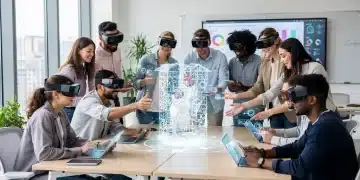
Digital Literacy in 2026: Essential Skills for US Students & Professionals

Anúncios
By 2026, robust digital literacy skills will be indispensable for every US student and professional, enabling effective navigation of complex digital environments and fostering innovation in an increasingly interconnected world.
The digital landscape is constantly shifting, and with 2026 on the horizon, the urgency to cultivate robust digital literacy skills has never been greater for every US student and professional. What exactly does this mean for education, careers, and daily life? This article delves into the core competencies required to thrive in an increasingly digital-first society, offering insights into how individuals and institutions can prepare for the future.
Anúncios
Understanding the Evolving Landscape of Digital Literacy
Digital literacy in 2026 extends far beyond basic computer operation. It encompasses a dynamic set of abilities that empower individuals to find, evaluate, create, and communicate information effectively and ethically in a digital world. This evolving definition recognizes that technology is not merely a tool but an integral part of our cognitive and social environments.
The acceleration of technological advancements, particularly in artificial intelligence, big data, and virtual reality, demands a more sophisticated understanding of digital tools and their implications. For US students, this means preparing for jobs that may not even exist yet, requiring adaptability and continuous learning. For professionals, it involves upskilling to remain competitive and innovative in their respective fields.
Anúncios
The Shift from Basic to Advanced Competencies
Historically, digital literacy often focused on fundamental computer skills. However, the modern definition emphasizes critical thinking and problem-solving within digital contexts.
- Critical Evaluation: The ability to discern credible information from misinformation and disinformation online.
- Ethical Digital Citizenship: Understanding the societal impact of technology and behaving responsibly in digital spaces.
- Data Interpretation: Comprehending and drawing insights from digital data.
- Algorithmic Awareness: Recognizing how algorithms shape online experiences and information flow.
This broader perspective ensures that individuals are not just users of technology, but informed and active participants in the digital ecosystem. It’s about empowering them to leverage digital tools for personal and collective betterment, rather than being passively shaped by them. The rapid pace of change necessitates a proactive approach to learning and skill development, moving beyond reactive adoption of new tools.
Core Digital Skills for US Students in 2026
For US students, digital literacy in 2026 will be foundational to academic success and future career readiness. The educational system must evolve to integrate these skills seamlessly into curricula, moving beyond isolated computer classes to an interdisciplinary approach. These core skills will enable students to navigate complex learning environments and become active contributors in a globalized world.
The emphasis should be on practical application and critical engagement, ensuring students can not only use technology but also understand its underlying principles and societal implications. This includes fostering a growth mindset towards technology, encouraging experimentation, and resilience in the face of digital challenges.
Navigating Information and Media Literacy
In an age of information overload, students need to be adept at finding, evaluating, and synthesizing information from diverse digital sources. This includes understanding biases, verifying facts, and recognizing different forms of media.
- Source Credibility: Identifying reliable websites, academic journals, and reputable news outlets.
- Fact-Checking Techniques: Utilizing tools and strategies to verify information.
- Media Deconstruction: Analyzing how media messages are constructed and their potential effects.
- Algorithmic Bias Awareness: Understanding how search engines and social media algorithms can influence information exposure.
Developing strong media literacy skills will equip students to be informed citizens, capable of making sound judgments based on accurate information. This is crucial for participating in democratic processes and resisting the spread of harmful narratives.
Essential Digital Competencies for US Professionals
For US professionals, digital literacy in 2026 is synonymous with career longevity and innovation. The workplace is undergoing a profound transformation, with automation, remote work, and data-driven decision-making becoming the norm. Professionals must not only adapt to these changes but also proactively leverage digital tools to enhance productivity, foster collaboration, and drive business growth.
This requires a continuous learning mindset, as new technologies emerge and existing ones evolve. Employers will increasingly seek individuals who can demonstrate not just technical proficiency, but also the ability to strategically apply digital solutions to complex problems, driving efficiency and competitive advantage.
Data Literacy and Analytics
Understanding and interpreting data is becoming a universal job requirement. Professionals need to be able to collect, analyze, and visualize data to make informed decisions and identify trends. This skill set is no longer confined to data scientists but is essential across all sectors.
- Data Collection Ethics: Understanding privacy concerns and responsible data handling.
- Basic Statistical Analysis: Interpreting key metrics and identifying correlations.
- Data Visualization Tools: Creating clear and compelling charts and graphs (e.g., Tableau, Power BI).
- Predictive Analytics Fundamentals: Grasping how data can forecast future outcomes.
Proficiency in data literacy empowers professionals to move beyond intuition, grounding their strategies and recommendations in quantifiable evidence. This capability fosters a culture of informed decision-making and allows organizations to respond more effectively to market changes and customer needs.
Cybersecurity and Digital Citizenship: A Dual Imperative
In an interconnected world, cybersecurity is no longer a niche concern but a fundamental aspect of digital literacy for everyone. Both students and professionals must understand the risks associated with online activities and adopt practices to protect their personal and organizational data. Digital citizenship, on the other hand, refers to the responsible and ethical use of technology, promoting positive online interactions and contributing constructively to digital communities.
These two areas are inextricably linked; strong cybersecurity practices contribute to a safer digital environment, while good digital citizenship ensures that technology is used for beneficial purposes. Educating individuals in both aspects is critical for fostering a secure and harmonious digital society.
Protecting Digital Identities and Data
Awareness of cybersecurity threats and the implementation of protective measures are paramount. This includes understanding phishing scams, strong password practices, and recognizing malicious software.
- Password Management: Creating unique, complex passwords and using password managers.
- Phishing Recognition: Identifying deceptive emails and websites.
- Software Updates: Understanding the importance of keeping systems patched.
- Privacy Settings: Managing personal information shared on social media and other platforms.
Beyond personal protection, professionals must also comprehend their role in organizational cybersecurity. This involves adhering to company policies, reporting suspicious activities, and understanding data governance regulations like GDPR or CCPA, which are becoming increasingly relevant even for US-based professionals dealing with global data.
Creative and Collaborative Digital Tools
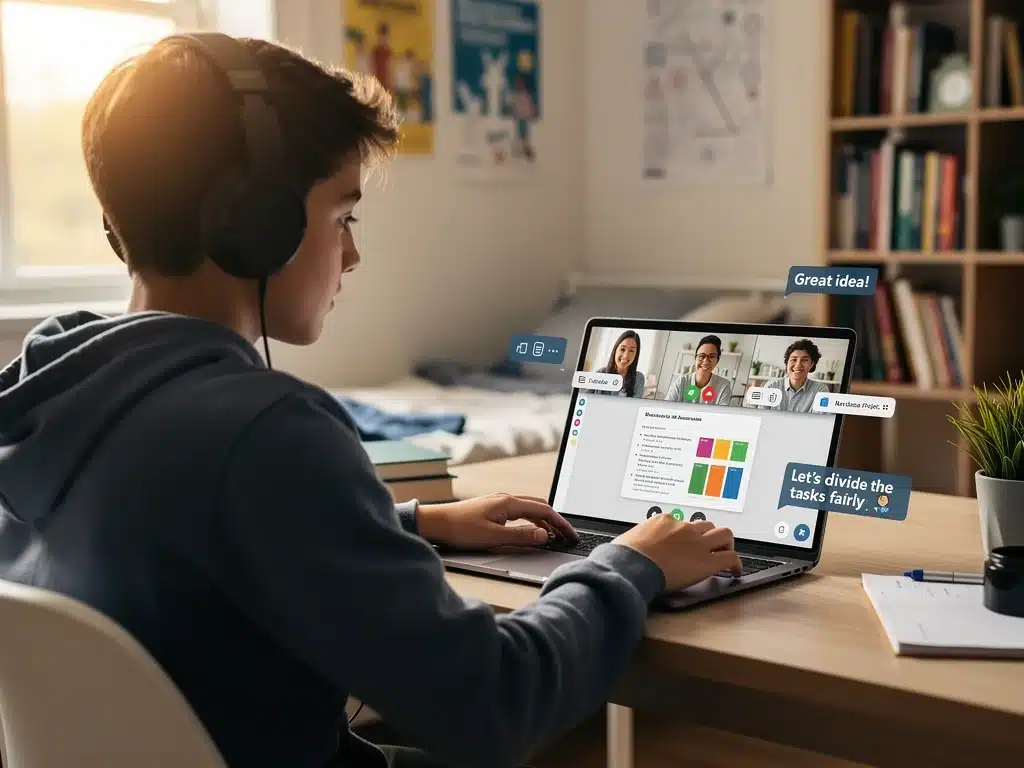
The ability to create and collaborate using digital tools is a cornerstone of modern digital literacy. This goes beyond simply consuming content; it involves actively producing, sharing, and working together in digital spaces. For students, this means leveraging tools for project-based learning, digital storytelling, and collaborative problem-solving. For professionals, it translates into enhanced team productivity, innovative product development, and effective communication across geographical boundaries.
Fostering creativity and collaboration through digital means unlocks new possibilities for innovation and strengthens collective intelligence. It also prepares individuals for dynamic work environments where teamwork and adaptability are highly valued attributes.
Enhancing Teamwork with Digital Platforms
Effective collaboration in 2026 relies heavily on proficiency with various digital platforms designed for teamwork, communication, and project management. These tools facilitate real-time interaction and shared document creation.
- Cloud Collaboration: Using platforms like Google Workspace or Microsoft 365 for shared document editing.
- Project Management Software: Familiarity with tools like Asana, Trello, or Jira for task organization.
- Video Conferencing: Mastering platforms such as Zoom, Microsoft Teams, or Google Meet for virtual meetings.
- Digital Whiteboards: Utilizing tools like Miro or Mural for brainstorming and idea generation.
These collaborative tools not only streamline workflows but also promote inclusivity by enabling diverse teams to work together irrespective of their physical location. Proficiency in these areas is crucial for navigating modern organizational structures and contributing effectively to collective goals.
Adaptability and Continuous Learning in the Digital Age
Perhaps the most critical aspect of digital literacy for both US students and professionals in 2026 is the capacity for adaptability and continuous learning. The digital landscape is not static; it is characterized by constant innovation and disruption. Therefore, the ability to quickly learn new technologies, unlearn outdated practices, and apply emergent tools to novel challenges is paramount. This goes beyond acquiring specific skills and delves into developing a mindset of lifelong learning.
Cultivating this adaptability ensures that individuals remain relevant and resilient in the face of technological shifts, transforming challenges into opportunities. It encourages proactive engagement with new trends and a willingness to embrace change as a constant rather than an exception.
Strategies for Lifelong Digital Skill Development
To stay current, individuals must adopt strategies for ongoing skill development. This involves actively seeking out learning opportunities and engaging with new technologies as they emerge.
- Online Courses and Certifications: Enrolling in MOOCs (Massive Open Online Courses) or specialized digital skill certifications.
- Professional Networks: Engaging with industry peers and experts to share knowledge and best practices.
- Experimentation: Actively trying out new software, apps, and digital platforms.
- Mentorship and Peer Learning: Learning from more experienced individuals or collaborating with peers on new digital projects.
Institutions, from schools to corporations, play a vital role in fostering this culture of continuous learning by providing resources, training programs, and environments that encourage digital exploration and skill acquisition. Investing in these areas ensures that the workforce remains agile and capable of meeting future demands.

The Role of AI and Automation in Digital Literacy
As 2026 approaches, artificial intelligence (AI) and automation are no longer futuristic concepts but present-day realities reshaping industries and job roles. Digital literacy now includes understanding how AI works, its ethical implications, and how to effectively collaborate with AI-powered tools. For students, this means preparing for a world where AI assists in learning and problem-solving. For professionals, it involves leveraging AI to enhance productivity, automate repetitive tasks, and derive deeper insights from data.
The goal is not to replace human intelligence but to augment it, enabling individuals to focus on higher-order thinking, creativity, and strategic decision-making. A nuanced understanding of AI will be a distinguishing factor in the digitally literate individual.
Ethical AI and Human-AI Collaboration
Understanding the ethical considerations surrounding AI and developing skills for effective human-AI collaboration are paramount. This involves critical thinking about AI biases, privacy issues, and the responsible deployment of AI technologies.
- AI Ethics Principles: Grasping concepts like fairness, transparency, and accountability in AI.
- Prompt Engineering: Learning to effectively communicate with AI models for desired outputs.
- AI Tool Integration: Utilizing AI-powered assistants and software in daily tasks.
- Mitigating AI Bias: Recognizing and addressing potential biases in AI outputs.
Developing these skills will ensure that individuals can harness the power of AI responsibly and effectively, transforming it from a mere tool into a strategic partner. This fosters innovation while upholding human values and societal well-being in the digital age.
| Key Skill | Brief Description |
|---|---|
| Information & Media Literacy | Evaluating digital information for credibility and understanding media biases. |
| Data Literacy & Analytics | Interpreting, analyzing, and visualizing data for informed decision-making. |
| Cybersecurity & Digital Citizenship | Protecting digital identity and behaving ethically in online environments. |
| Adaptability & AI Collaboration | Continuously learning new tech and effectively working with AI tools. |
Frequently Asked Questions About Digital Literacy in 2026
For US students, critical information and media literacy will be paramount. The ability to discern credible sources, identify misinformation, and understand media biases is essential for academic success and informed citizenship in an increasingly complex digital world.
Professionals should focus on continuous learning, particularly in data literacy, cybersecurity, and AI collaboration. Engaging in online courses, professional development programs, and actively experimenting with new digital tools will ensure they remain competitive and adaptable to evolving workplace demands.
Cybersecurity is crucial because digital interactions carry inherent risks. Understanding safe online practices, protecting personal data, and recognizing threats like phishing are fundamental to safeguarding individuals and organizations from malicious attacks, ensuring a secure digital environment for all users.
AI is transforming digital literacy by requiring individuals to understand its functionality, ethical implications, and how to effectively collaborate with AI tools. This includes skills like prompt engineering and discerning AI-generated content, crucial for navigating future work and learning environments.
While progress is being made, there’s a recognized need for more integrated and comprehensive digital literacy education across US schools. Moving beyond basic computer skills to critical thinking, ethical digital citizenship, and data analysis is vital for preparing students for the demands of 2026 and beyond.
Conclusion
The trajectory towards 2026 highlights an undeniable truth: digital literacy skills are no longer optional but indispensable for every US student and professional. From navigating complex information landscapes to ethical digital citizenship, and from advanced data analytics to collaborating seamlessly with AI, the competencies required are broad and dynamic. Cultivating these skills demands a concerted effort from individuals, educational institutions, and employers alike. By proactively investing in comprehensive digital literacy development, the US can ensure its workforce and future generations are not just prepared for the digital age, but are poised to lead it, fostering innovation, resilience, and informed participation in a rapidly evolving world.