Community College vs. University: 2026 Cost-Benefit Analysis for US Students
Anúncios
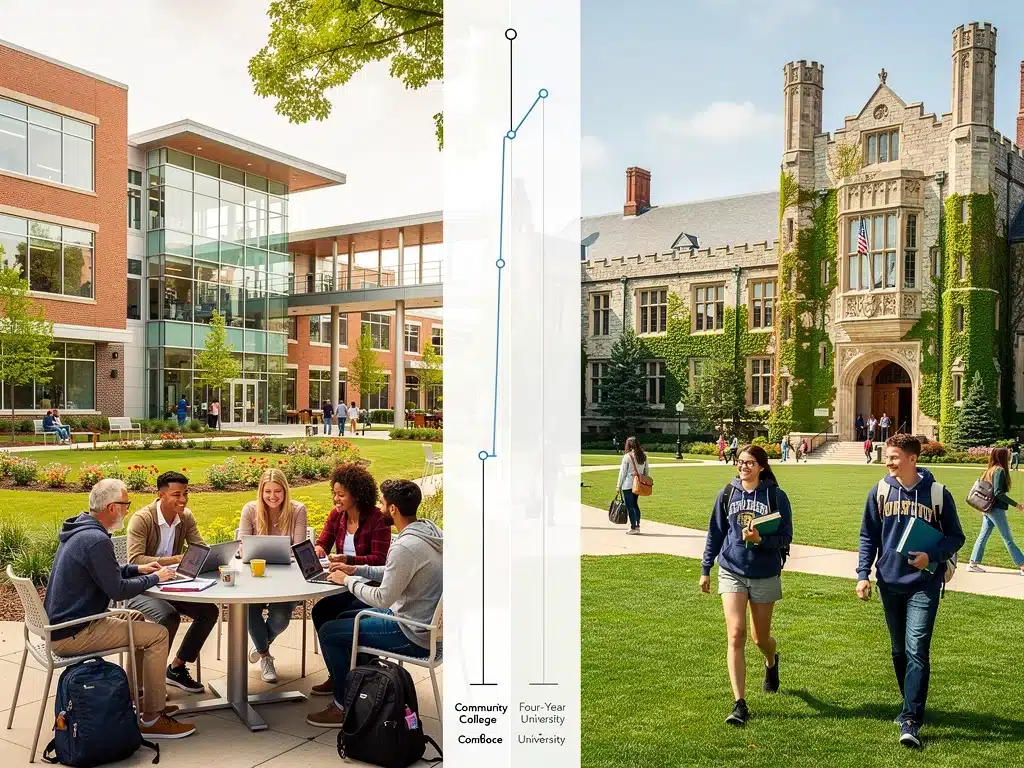
For US students in 2026, choosing between community college and a four-year university involves a critical cost-benefit analysis, balancing affordability, academic pathways, and long-term career prospects to determine the most strategic educational investment.
Anúncios
The decision between attending a community college vs. four-year university is one of the most pivotal choices facing US students in 2026. This comprehensive cost-benefit analysis aims to illuminate the financial implications, academic advantages, and long-term career trajectories associated with each path, helping you make an informed decision for your future.
Understanding the Financial Landscape of Higher Education in 2026
The cost of higher education continues to be a significant concern for students and families across the United States. As we navigate 2026, tuition fees, living expenses, and the overall debt burden remain central to the college decision-making process. Understanding these financial realities is the first step in conducting a thorough cost-benefit analysis.
Anúncios
Tuition and Fees: A Stark Contrast
One of the most immediate and impactful differences between community colleges and four-year universities lies in their tuition and fees. Community colleges are generally publicly funded institutions, designed to provide affordable education to local residents. Their tuition rates are often significantly lower than those at public or private four-year universities.
- Community College: Average annual tuition for in-district students in 2026 is projected to be around $3,800 to $4,500.
- Public Four-Year University (in-state): Average annual tuition could range from $10,500 to $12,500.
- Public Four-Year University (out-of-state): These costs can soar to $27,000 to $30,000 annually.
- Private Four-Year University: Often the most expensive option, with tuition potentially exceeding $40,000 to $60,000 per year.
These figures highlight a substantial initial financial advantage for community college attendees, which can translate into significantly less student loan debt upon graduation or transfer.
Academic Pathways and Program Offerings
Beyond costs, the academic experience and program variety differ considerably between community colleges and four-year universities. Both institutions serve distinct educational purposes, catering to different student needs and career aspirations. Understanding these differences is crucial for aligning your educational path with your personal and professional goals.
Community colleges primarily offer associate degrees, vocational training, and certificate programs. These programs are often designed for direct entry into the workforce or for seamless transfer to a four-year institution. The curriculum is typically practical, focusing on foundational knowledge and skills relevant to specific industries.
Transfer Agreements and Articulation
A key feature of many community colleges is their robust transfer agreements with four-year universities. These agreements, often called articulation agreements, ensure that credits earned at a community college can be applied towards a bachelor’s degree at a partner university. This pathway allows students to complete their first two years at a much lower cost and then transfer, effectively earning a university degree for less.
- Guaranteed Admission Programs: Many states have programs guaranteeing admission to a public university for community college graduates who meet certain GPA requirements.
- Credit Transferability: It’s crucial to research specific program and institution agreements to ensure maximum credit transfer.
- Associate to Bachelor’s (A2B) Programs: Designed pathways that outline the courses needed at community college to smoothly transition into specific university majors.
Four-year universities, on the other hand, offer bachelor’s degrees across a wide array of disciplines, along with master’s and doctoral programs. They tend to have a broader focus on research, theoretical knowledge, and a more extensive campus life experience. While community colleges excel at providing foundational and vocational training, universities offer deeper specialization and advanced academic pursuits.
Student Experience and Campus Environment
The overall student experience and campus environment are distinct between community colleges and four-year universities, influencing not only academic success but also personal development and social integration. These factors, while less tangible than financial costs, play a significant role in a student’s satisfaction and growth during their higher education journey.
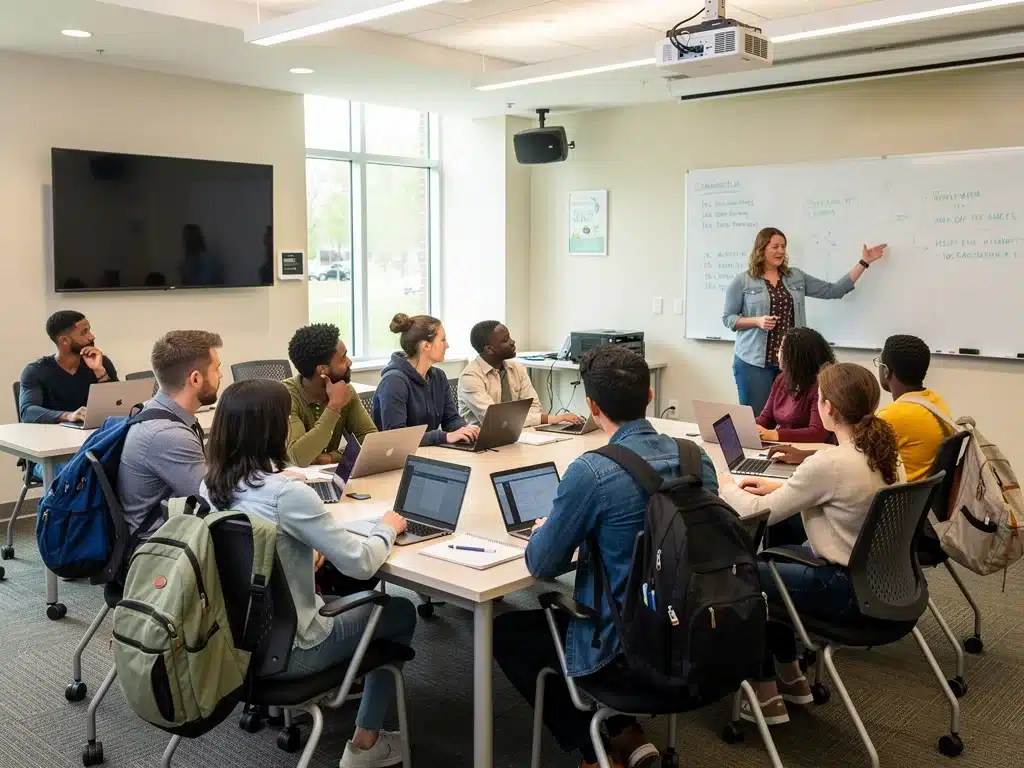
Community colleges often feature a more commuter-centric student body, with many students balancing their studies with work or family responsibilities. The class sizes are typically smaller, leading to more personalized attention from instructors. The atmosphere is often described as supportive and community-oriented, with a diverse range of ages and backgrounds among the student population.
Campus Life and Student Services
- Community Colleges: Focus on academic support, career counseling, and basic student services. Extracurricular activities might be less extensive compared to larger universities, though many offer clubs, sports, and student government.
- Four-Year Universities: Offer a comprehensive residential campus experience, with dormitories, extensive athletic programs, a vast array of clubs and organizations, Greek life, and a vibrant social scene. They often have more extensive research opportunities and specialized academic support centers.
The choice between these environments depends heavily on individual preferences. Some students thrive in the intimate, focused setting of a community college, appreciating the flexibility and lower cost. Others seek the immersive, broader social and academic experience that a four-year university typically provides. Both offer valuable learning environments, but their approaches to student life differ significantly.
Long-Term Career Prospects and Earning Potential
The ultimate goal of many students pursuing higher education is to enhance their career prospects and earning potential. While a bachelor’s degree has historically been associated with higher lifetime earnings, the landscape of employment is evolving. In 2026, both community college and four-year university pathways can lead to successful and rewarding careers, though the routes may differ.
Graduates from community colleges with vocational degrees or specialized certificates often enter the workforce quickly in high-demand fields such as healthcare, technology, and skilled trades. These roles can offer competitive starting salaries and opportunities for advancement, sometimes surpassing the initial earnings of some bachelor’s degree holders, especially in fields where hands-on experience is highly valued.
Impact of Degree Level on Lifetime Earnings
While an associate degree or certificate can provide immediate employment, statistical data generally indicates that individuals with a bachelor’s degree or higher tend to earn more over their lifetime. This is often due to a broader range of career options, greater opportunities for promotion, and access to positions requiring advanced theoretical knowledge.
- Associate Degree Holders: Can earn competitive salaries in specific technical or healthcare roles, with potential for further education to increase earnings.
- Bachelor’s Degree Holders: Typically have higher earning potential and lower unemployment rates across a wider range of industries.
- Transfer Students: Students who begin at a community college and transfer to complete a bachelor’s degree often achieve similar earning potentials to those who started at a four-year institution, but with potentially less debt.
The key takeaway is that the value of an education is not solely determined by the type of institution, but by the relevance of the degree to the job market, the skills acquired, and the individual’s dedication to continuous learning and professional development. Both paths can be strategic investments in a student’s future, depending on their chosen field and career aspirations.
Flexibility and Accessibility: Adapting to Student Needs
In 2026, the demand for flexible and accessible education options is higher than ever, driven by diverse student demographics and evolving life circumstances. Community colleges, in particular, have excelled in providing adaptable learning environments, making higher education attainable for a broader segment of the population. This flexibility is a significant benefit for many students juggling various responsibilities.
Community colleges often offer a wide range of scheduling options, including evening, weekend, and online classes, which are ideal for working adults, parents, and those with other commitments. Their open enrollment policies and fewer admission prerequisites also make them more accessible to students who may not meet the competitive entry requirements of four-year universities or those returning to education after a break.
Online Learning and Hybrid Models

Both community colleges and four-year universities have expanded their online and hybrid course offerings, a trend accelerated by recent global events. However, community colleges often have a longer history and more developed infrastructure for delivering effective online education, catering to students who prefer or require remote learning.
- Community Colleges: Known for extensive online course catalogs and degree programs, providing geographical flexibility and convenience.
- Four-Year Universities: While expanding online options, many still emphasize the on-campus experience, with online programs often geared towards specific degrees or graduate studies.
- Support Services: Both types of institutions are investing in online student support, including virtual tutoring, counseling, and technical assistance.
The accessibility provided by community colleges is not just about physical location or scheduling; it’s also about creating pathways for students from diverse academic backgrounds to pursue higher education. This focus on inclusivity ensures that more individuals have the opportunity to acquire valuable skills and degrees, regardless of their starting point.
Making an Informed Decision: A Personalized Approach
Ultimately, the choice between a community college and a four-year university in 2026 is a deeply personal one, with no single right answer. It hinges on a careful consideration of individual financial circumstances, academic goals, desired student experience, and long-term career aspirations. A truly informed decision requires thorough research and self-reflection.
Begin by assessing your financial situation. Can you afford the tuition and living expenses of a four-year university without incurring excessive debt? Or would starting at a community college provide a more financially sustainable path? Consider the potential return on investment for each option in your chosen field of study. Research average salaries for graduates with associate degrees versus bachelor’s degrees in your desired career path.
Key Questions to Consider
- What are your academic strengths and preferred learning environment? Do you thrive in smaller classes with more personalized attention, or do you prefer a larger, research-intensive setting?
- What are your long-term career goals? Does your desired profession require a bachelor’s degree, or can an associate degree or certificate provide direct entry and career growth?
- What kind of campus experience are you seeking? Is a vibrant social life and residential experience a priority, or do you prefer a more focused, commuter-friendly environment?
- How important is flexibility in your schedule? Do you need options for evening, weekend, or online classes to balance other commitments?
Engage with academic advisors, career counselors, and current students from both types of institutions. Visit campuses, attend virtual information sessions, and ask specific questions about transfer agreements, financial aid, and career services. By gathering comprehensive information and reflecting on your own needs and priorities, you can confidently navigate this crucial decision and choose the educational path that best suits your unique journey in 2026.
| Key Aspect | Brief Description |
|---|---|
| Cost Efficiency | Community colleges offer significantly lower tuition, reducing initial financial burden and potential debt. |
| Academic Pathways | Community colleges provide vocational training and seamless transfer options; universities offer comprehensive bachelor’s degrees. |
| Student Experience | Community colleges offer smaller classes and local focus; universities provide extensive campus life and research opportunities. |
| Career Outcomes | Both paths lead to successful careers, with universities offering broader access to advanced roles and higher lifetime earnings. |
Frequently Asked Questions About College Choices
For many, starting at a community college and transferring is a financially savvy choice. It allows students to complete foundational courses at a lower cost, often with guaranteed admission to a four-year university, significantly reducing overall debt while still earning a bachelor’s degree from their desired institution.
Yes, employers highly value degrees and certificates from community colleges, especially in vocational and technical fields. These programs often provide specific, in-demand skills that make graduates job-ready. The practical experience gained is often a significant asset in the job market.
The primary financial benefit is significantly lower tuition fees compared to four-year universities. This translates to less student loan debt, greater financial flexibility, and the opportunity to save money while still pursuing higher education, making it an accessible option for many.
Transfer agreements, or articulation agreements, are formal partnerships between community colleges and four-year universities. They outline specific courses and requirements that, when met at the community college, guarantee the transfer of credits and often admission into a corresponding bachelor’s program at the university, ensuring a smooth academic transition.
Community colleges often feature smaller class sizes, a diverse commuter student body, and a focus on practical skills. Four-year universities typically offer a more immersive residential experience, extensive extracurriculars, research opportunities, and a broader social environment, catering to different preferences for campus life.
Conclusion
The choice between a community college and a four-year university in 2026 is complex, demanding a thoughtful evaluation of financial implications, academic offerings, and personal aspirations. While four-year universities often promise a traditional college experience and higher lifetime earnings, community colleges present an incredibly valuable, cost-effective, and flexible alternative, particularly with robust transfer pathways. For US students, understanding these nuances allows for a strategic decision that aligns with individual goals, ensuring that the investment in education yields the best possible return, both financially and personally. Your educational journey is unique, and the optimal path is the one that best supports your success and well-being.