Navigating 2026 Tax Code Changes: Impact on Your Portfolio

Anúncios
As we approach 2026, understanding the potential shifts in the US tax code is critical for every investor. The impending 2026 tax code changes are not merely minor adjustments; they represent a significant overhaul that could profoundly impact your financial future, potentially altering your investment portfolio by as much as 10%.
Anúncios
Understanding the Looming 2026 Tax Code Changes
The year 2026 marks a crucial juncture for the United States tax system. Many provisions from the Tax Cuts and Jobs Act (TCJA) of 2017 are set to expire, leading to widespread adjustments across various tax brackets, deductions, and credits. These expirations will undoubtedly usher in a new era of tax regulations, influencing everything from individual income tax rates to corporate tax structures. Investors, in particular, need to be acutely aware of these shifts, as they can directly affect the after-tax returns on their investments and overall portfolio growth.
The core of these changes stems from the sunset clauses embedded within the TCJA. When these provisions expire, the tax landscape will revert to pre-TCJA rules unless new legislation is enacted. This uncertainty creates both challenges and opportunities for strategic financial planning. Without proactive measures, investors might find their long-term financial goals significantly impacted. It’s not just about higher taxes; it’s about understanding where the shifts will occur and how to position your assets accordingly.
Key Expirations and Their Immediate Effects
Several key provisions are slated to expire, directly affecting individual taxpayers and, by extension, their investment decisions.
Anúncios
- Individual income tax rates are expected to revert to higher pre-TCJA levels, meaning more of your earned income and capital gains could be subject to taxation.
- The standard deduction, which was significantly increased under TCJA, is likely to decrease, potentially pushing more taxpayers to itemize.
- Various personal exemptions and credits might be reintroduced or altered, changing the overall tax burden for many households.
These immediate effects can create a ripple effect throughout your financial planning. Higher income tax rates, for instance, could reduce the disposable income available for investments, while changes to deductions might alter the attractiveness of certain investment vehicles. Preparing for these shifts now can help mitigate negative surprises and ensure your investment strategy remains robust.
In essence, the 2026 tax code changes are not just a governmental formality but a call to action for investors. The expiration of TCJA provisions will reshape the financial environment, requiring a thorough review of current investment strategies and a willingness to adapt. Understanding these foundational changes is the first step in protecting and growing your wealth in the evolving tax landscape.
Impact on Capital Gains and Investment Income
One of the most significant areas affected by the 2026 tax code changes will be capital gains and investment income. Under the TCJA, preferential rates for long-term capital gains and qualified dividends were maintained, but the income thresholds for these rates were adjusted. With the expiration of TCJA, these thresholds and potentially the rates themselves could shift, leading to a direct impact on your investment returns. An increase in capital gains tax rates could reduce the net profit from selling appreciated assets, making tax-loss harvesting and strategic asset allocation even more critical.
Investors holding highly appreciated assets, such as stocks, real estate, or business interests, need to pay close attention. If the capital gains tax rates increase, the cost of liquidating these assets could become significantly higher. This might necessitate a re-evaluation of your selling strategies, potentially encouraging earlier realization of gains or exploring tax-deferred investment options. The timing of when you sell an asset could become just as important as the asset’s performance itself.
Navigating Potential Rate Increases
While the exact figures are still subject to legislative debate, the general expectation is that capital gains tax rates for higher-income earners could revert to pre-TCJA levels. This would mean a more substantial portion of your investment profits going to taxes.
- Consider accelerating capital gains into 2025 if you anticipate higher rates in 2026 and beyond.
- Explore tax-efficient investment vehicles, such as municipal bonds, which offer tax-exempt interest income.
- Utilize tax-loss harvesting strategies more aggressively to offset capital gains and ordinary income.
The potential for higher capital gains taxes also underscores the importance of diversification. Spreading your investments across different asset classes and geographies can help mitigate the impact of adverse tax changes on any single type of investment. Furthermore, understanding the nuances of how various investment types are taxed – from dividends to interest income – will be crucial for optimizing your portfolio’s overall tax efficiency.

The changes to capital gains and investment income taxation represent a direct challenge to investment returns. Investors must not only monitor legislative developments but also engage in proactive planning to minimize their tax liabilities and preserve their wealth. Strategic decisions made now can significantly buffer the impact of future tax adjustments on your portfolio’s growth.
Retirement Accounts and Savings Strategies
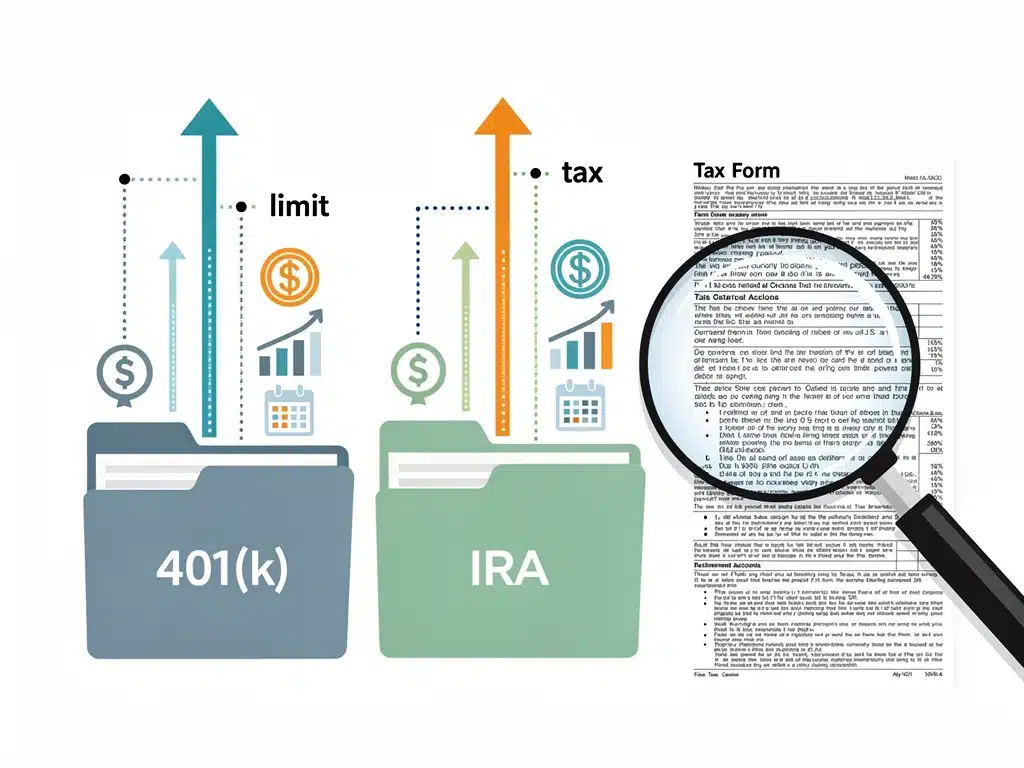
Retirement planning is another critical area that will feel the ripple effects of the 2026 tax code changes. Many of the TCJA provisions indirectly influenced retirement savings, such as changes to income tax brackets that affected the tax deductibility of traditional IRA contributions or the taxability of Roth conversions. As these provisions expire, the landscape for retirement accounts like 401(k)s, IRAs, and Roth accounts could shift, requiring investors to re-evaluate their savings strategies.
For instance, if individual income tax rates increase, the tax deduction for contributions to traditional pre-tax retirement accounts becomes more valuable. Conversely, higher future tax rates might make Roth conversions or contributions to Roth accounts more appealing, as withdrawals in retirement would be tax-free. The decision between pre-tax and post-tax savings vehicles often hinges on an individual’s expected tax bracket now versus in retirement, a calculation that could be significantly altered by the upcoming changes.
Adjusting Your Retirement Contributions
The expiration of TCJA provisions could lead to adjustments in contribution limits or the tax treatment of various retirement savings vehicles. It’s vital to stay informed and adapt your strategy.
- Reassess your contributions to traditional 401(k)s and IRAs, considering the potential for higher future tax deductions.
- Evaluate the benefits of Roth conversions, especially if you anticipate being in a higher tax bracket in retirement.
- Explore other tax-advantaged accounts, such as HSAs (Health Savings Accounts), which offer a triple tax advantage.
Beyond individual contributions, employers might also face new considerations regarding their retirement plan offerings. Changes in corporate tax rates or regulations could influence their ability or willingness to offer certain benefits, indirectly impacting employees’ savings options. Staying engaged with your employer’s retirement plan administrator and understanding any impending adjustments is a prudent step.
The evolving tax landscape demands a flexible approach to retirement savings. What was optimal under the TCJA might not be the best strategy post-2025. Reviewing your current retirement plan, consulting with a financial advisor, and making necessary adjustments will be key to ensuring your long-term financial security remains on track.
Estate and Gift Tax Considerations
The 2026 tax code changes will have a profound impact on estate and gift tax planning, particularly for high-net-worth individuals. The TCJA significantly increased the estate and gift tax exemption amounts, allowing individuals to transfer substantial wealth without incurring federal estate or gift taxes. However, these elevated exemption amounts are scheduled to revert to pre-TCJA levels, effectively halving the amount that can be transferred tax-free. This change mandates a thorough re-evaluation of existing estate plans and gift-giving strategies.
For many, the increased exemption provided a unique window for wealth transfer and legacy planning. With its potential reduction, families and individuals with significant assets need to act strategically. Failing to address these changes could result in a much larger portion of an estate being subject to federal taxes, diminishing the inheritance for beneficiaries. This makes the next few years critical for implementing any desired large-scale wealth transfers or adjustments to trust structures.
Strategic Estate Planning Adjustments
Given the impending reduction in estate and gift tax exemptions, proactive planning is essential to maximize wealth transfer efficiency.
- Consider making significant gifts to beneficiaries before the exemption amounts revert, utilizing the higher current limits.
- Review and update existing wills, trusts, and other estate planning documents to reflect the new tax environment.
- Explore advanced estate planning techniques, such as grantor retained annuity trusts (GRATs) or qualified personal residence trusts (QPRTs), which can help transfer assets out of your taxable estate.
The window of opportunity to leverage the higher estate and gift tax exemptions is closing. Consulting with an estate planning attorney and a financial advisor is paramount to understanding the specific implications for your situation and implementing effective strategies. These changes are not just for the ultra-wealthy; even individuals with moderate wealth may find themselves impacted by the lower exemption thresholds, making broad-based planning necessary.
Business and Corporate Tax Implications
Beyond individual investors, the 2026 tax code changes will also significantly affect businesses and corporations, which in turn can indirectly impact investment portfolios. While many corporate tax provisions of the TCJA, such as the reduced corporate tax rate, were made permanent, other business-related deductions and credits are subject to expiration or modification. These changes can influence corporate profitability, stock valuations, and the overall economic environment, all of which are crucial factors for investors.
For example, if certain business deductions or credits are reduced or eliminated, companies might face higher effective tax rates. This could lead to lower net income, potentially affecting dividend payouts, stock buybacks, and ultimately, share prices. Investors in specific sectors or companies that heavily relied on these expiring provisions might see a more pronounced effect on their holdings. Understanding the tax implications for the businesses you invest in is therefore an integral part of portfolio management.
Analyzing Corporate Tax Shifts
The corporate tax landscape, while more stable than individual taxes, still presents areas of potential change that investors should monitor.
- Research how potential changes to business interest expense deductions or research and development (R&D) credits could affect companies in your portfolio.
- Consider the impact of international tax reforms, which might be influenced by broader global agreements and could affect multinational corporations.
- Stay informed about any new incentives or disincentives for specific industries that might emerge from new tax legislation.
The interconnectedness of corporate and individual taxation means that shifts in one area often have ramifications for the other. A less favorable tax environment for businesses could dampen overall economic growth, impacting the broader market. Conversely, targeted tax incentives could boost specific sectors. Investors need to maintain a holistic view, considering both direct and indirect tax impacts on their portfolios. Proactive research and analysis of corporate tax implications will be vital for making informed investment decisions.
Strategic Portfolio Adjustments for 2026
Given the multifaceted nature of the 2026 tax code changes, making strategic adjustments to your investment portfolio is not just advisable, but essential. These adjustments should go beyond simple reactions to potential tax increases and instead focus on long-term tax efficiency and alignment with your financial goals. A 10% impact on your portfolio is a significant figure, underscoring the need for a comprehensive review and potentially a rebalancing of your assets. This involves looking at everything from asset location to the types of investments you hold and how you plan to draw income in retirement.
One key strategy is to optimize asset location. This means placing tax-efficient investments (like municipal bonds or growth stocks) in taxable accounts, and less tax-efficient investments (like high-dividend stocks or REITs) in tax-advantaged accounts such as 401(k)s or IRAs. As tax rates shift, the optimal placement of these assets might change, requiring adjustments to minimize your overall tax burden. Additionally, considering investments that offer tax deferral, such as annuities or certain types of insurance products, could become more appealing.
Key Strategies for Portfolio Optimization
Adapting your portfolio to the new tax environment requires a multi-pronged approach, focusing on tax efficiency and risk management.
- Rebalance and Reallocate: Review your asset allocation to ensure it remains aligned with your risk tolerance and financial objectives, considering the potential for higher taxes on certain asset classes.
- Tax-Loss Harvesting: Intensify efforts to harvest investment losses to offset capital gains and potentially a limited amount of ordinary income.
- Diversify Globally: Consider diversifying into international markets, as foreign tax laws may offer different advantages or disadvantages.
- Consult Professionals: Engage with financial advisors and tax professionals to create a personalized strategy that accounts for your unique financial situation and goals.
The goal is not simply to avoid taxes, but to manage them effectively within the legal framework to maximize your after-tax returns. This proactive approach ensures that your investment portfolio is resilient against legislative changes and continues to work towards your financial prosperity. By understanding the potential impacts and implementing strategic adjustments, you can navigate the 2026 tax code changes with confidence.
Proactive Planning and Professional Guidance
As the 2026 tax code changes draw nearer, the importance of proactive planning cannot be overstated. Waiting until the last minute to address these potential shifts could lead to missed opportunities and unnecessary tax burdens. Effective financial planning in this uncertain environment requires a forward-looking perspective, anticipating potential legislative outcomes and building flexibility into your investment strategy. This involves not only understanding the broad strokes of the tax law but also how specific provisions might apply to your unique financial circumstances.
Engaging with qualified financial and tax professionals is perhaps the most critical step in this process. A knowledgeable financial advisor can help you assess your current portfolio, identify areas of potential vulnerability or opportunity under the new tax regime, and recommend tailored strategies. Similarly, a tax professional can provide insights into the specific tax implications of various investment decisions and ensure compliance with evolving regulations. Their expertise can be invaluable in navigating the complexities of the tax code and optimizing your financial outcomes.
The Role of Financial Advisors and Tax Professionals
Leveraging professional expertise is crucial for developing a robust plan to address the 2026 tax code changes.
- Personalized Assessment: Professionals can conduct a detailed analysis of your income, assets, and financial goals to determine the specific impact of the tax changes on your situation.
- Strategic Recommendations: They can offer tailored advice on asset allocation, retirement planning, estate planning, and other areas to enhance tax efficiency.
- Staying Informed: Financial advisors and tax professionals stay abreast of legislative developments, providing you with up-to-date information and guidance.
- Compliance Assurance: They help ensure that your financial strategies comply with all relevant tax laws, minimizing the risk of audits or penalties.
The landscape of taxation is constantly evolving, and the 2026 changes are a stark reminder of this reality. By taking a proactive approach and seeking expert guidance, you empower yourself to make informed decisions that protect and grow your investment portfolio. This collaborative effort with financial and tax professionals ensures that you are well-prepared to adapt to the new tax environment, turning potential challenges into opportunities for financial success.
| Key Aspect | Brief Description of Impact |
|---|---|
| Capital Gains Tax | Potential for higher rates, impacting net investment returns and requiring strategic asset sales. |
| Retirement Savings | Changes in tax deductions and Roth conversion attractiveness based on new income tax rates. |
| Estate & Gift Tax | Exemption amounts expected to decrease significantly, urging immediate wealth transfer planning. |
| Business Taxes | Indirect impact on stock valuations and corporate profitability due to expiring business deductions. |
Frequently Asked Questions About 2026 Tax Changes
The main drivers are the expiration of several key provisions from the Tax Cuts and Jobs Act (TCJA) of 2017. These sunset clauses will cause many tax rules to revert to their pre-TCJA status, affecting individual income taxes, deductions, and estate tax exemptions.
While specific rates are subject to future legislation, there’s an expectation that income thresholds for preferential long-term capital gains rates might revert, potentially leading to higher tax rates for some investors. This could reduce net profits from selling appreciated assets.
Yes, it’s advisable to review your retirement strategy. Higher income tax rates could make traditional IRA/401(k) deductions more valuable, while Roth conversions might become more appealing if you anticipate higher tax rates in retirement. Professional advice is recommended.
The federal estate and gift tax exemption amounts are expected to decrease significantly. This means a larger portion of substantial estates could be subject to federal taxes, necessitating a review and potential update of estate plans before 2026.
Proactive planning is crucial. Starting now allows you to assess your current financial situation, understand potential impacts, and implement strategic adjustments to your investment portfolio and financial plans. Consulting with financial and tax professionals early is highly recommended.
Conclusion
The impending 2026 tax code changes represent a pivotal moment for investors and financial planning across the United States. With key provisions of the Tax Cuts and Jobs Act set to expire, the landscape of individual income taxes, capital gains, retirement savings, and estate planning is poised for significant transformation. The potential for a 10% impact on investment portfolios underscores the necessity for immediate and strategic action. Understanding these shifts, from potential increases in capital gains rates to reduced estate tax exemptions, is the first step. More importantly, it is about translating this understanding into actionable strategies: optimizing asset location, re-evaluating retirement contributions, and updating estate plans. Engaging with seasoned financial advisors and tax professionals will be indispensable in navigating these complexities, ensuring your investment portfolio remains resilient and aligned with your long-term financial objectives amidst the evolving tax environment. Proactive planning today is the key to safeguarding and growing your wealth tomorrow.