Student Debt Forgiveness 2026: What US Borrowers Need to Know
Anúncios
The 2026 landscape of student debt forgiveness programs in the US is evolving, offering various pathways for borrowers seeking relief, including updated federal initiatives and potential new legislation.
Navigating the complex world of student loans can be challenging, but understanding student debt forgiveness 2026 is crucial for millions of US borrowers. As policies shift and new programs emerge, staying informed is key to managing your financial future.
Anúncios
Understanding the Current Federal Landscape for Student Debt
The federal government continues to be the primary driver of student debt relief initiatives. As we move into 2026, several key programs remain foundational, though their terms and accessibility may have been refined. These programs aim to alleviate the burden for specific groups of borrowers, often tied to public service or financial hardship.
It’s essential for borrowers to distinguish between the types of federal loans they hold, as eligibility for forgiveness programs often depends on whether loans are direct loans, FFEL Program loans, or Perkins Loans. Each category has its own set of rules and requirements for relief.
Anúncios
Key Federal Forgiveness Programs in 2026
- Public Service Loan Forgiveness (PSLF): This program targets individuals working full-time for qualifying non-profit organizations or government agencies. After 120 qualifying monthly payments under an income-driven repayment plan, the remaining balance on direct loans is forgiven.
- Teacher Loan Forgiveness (TLF): Designed for educators, TLF offers up to $17,500 in forgiveness for certain federal student loans after five consecutive years of teaching in low-income schools or educational service agencies.
- Income-Driven Repayment (IDR) Plan Forgiveness: Borrowers enrolled in IDR plans can have their remaining loan balance forgiven after 20 or 25 years of qualifying payments, depending on the plan and loan type. Recent administrative actions have broadened who benefits from past payment counts.
The landscape of federal student debt forgiveness is dynamic. Borrowers should regularly check the official studentaid.gov website for the most up-to-date information, as program details and eligibility criteria can evolve with new legislative or administrative actions. Understanding these core programs is the first step in identifying potential avenues for relief.
Navigating Income-Driven Repayment (IDR) Plans and Their Impact
Income-Driven Repayment (IDR) plans are a cornerstone of federal student loan management, particularly for those pursuing forgiveness. These plans adjust monthly payments based on a borrower’s income and family size, making loan repayment more manageable. In 2026, the various IDR options, such as SAVE, PAYE, IBR, and ICR, continue to play a critical role in the path to forgiveness.
The SAVE Plan, in particular, has introduced significant changes, potentially lowering monthly payments for many borrowers and offering a more accelerated path to forgiveness for those with lower original loan balances. Understanding how these plans calculate payments and what counts as a qualifying payment is vital.
The SAVE Plan: A Game Changer for Many
The newest IDR plan, SAVE (Saving on a Valuable Education), has been implemented to replace the REPAYE plan and offers several borrower-friendly provisions. Its design aims to significantly reduce monthly burdens and provide a clearer, faster route to forgiveness for eligible individuals.
- Lower Monthly Payments: For undergraduate loans, payments are calculated at 5% of discretionary income, down from 10%.
- Interest Subsidies: Unpaid monthly interest is covered by the government, preventing loan balances from growing as long as the borrower makes their reduced payment.
- Faster Forgiveness: Borrowers with original loan balances of $12,000 or less may see forgiveness after just 10 years of payments.
These features make the SAVE plan an attractive option for many, especially those struggling with high balances relative to their income. It’s important to re-evaluate your current repayment plan against the benefits of SAVE to determine if a switch could accelerate your path to forgiveness or significantly reduce your financial strain.
Ultimately, IDR plans are not just about lower payments; they are a direct pathway to eventual forgiveness for borrowers who consistently make qualifying payments over the long term. Staying informed about the specifics of each plan and how they interact with forgiveness criteria is essential for strategic loan management.
Potential New Legislation and Policy Changes in 2026
The political and economic landscape is always shifting, and 2026 is no exception when it comes to student loan policy. While existing programs provide a framework, there’s always the possibility of new legislation or administrative actions that could introduce broader forgiveness initiatives or modify current ones. These changes often stem from ongoing debates about the affordability of higher education and the national student debt crisis.
Borrowers should remain vigilant for announcements from the Department of Education, Congress, and the White House. Proposals for widespread forgiveness, modifications to eligibility requirements, or new types of targeted relief are frequently discussed and can materialize with little notice.
Areas of Potential Legislative Focus
- Broader Income Thresholds: Discussions often revolve around adjusting income cutoffs for IDR plans or for direct forgiveness initiatives to encompass more middle-income borrowers.
- Automatic Enrollment: Proposals sometimes suggest automatic enrollment into the most beneficial IDR plan or even automatic forgiveness for certain groups, simplifying the process for borrowers.
- Addressing Private Loans: While most federal efforts focus on federal loans, there’s a continuous push to explore how private student loan debt could also be addressed through federal or state-level interventions.
Keeping an eye on policy debates and potential legislative actions is crucial. Joining advocacy groups or subscribing to financial news outlets focused on student aid can provide timely updates. Understanding the direction of these discussions can help borrowers anticipate changes and prepare for new opportunities for relief that may emerge in 2026.
Eligibility Requirements and Application Processes
Understanding the eligibility requirements for each student debt forgiveness program is paramount. These criteria can be intricate and specific, covering everything from the type of loan you hold to your employment history and income level. Misinterpreting these requirements can lead to delays or outright denial of forgiveness.
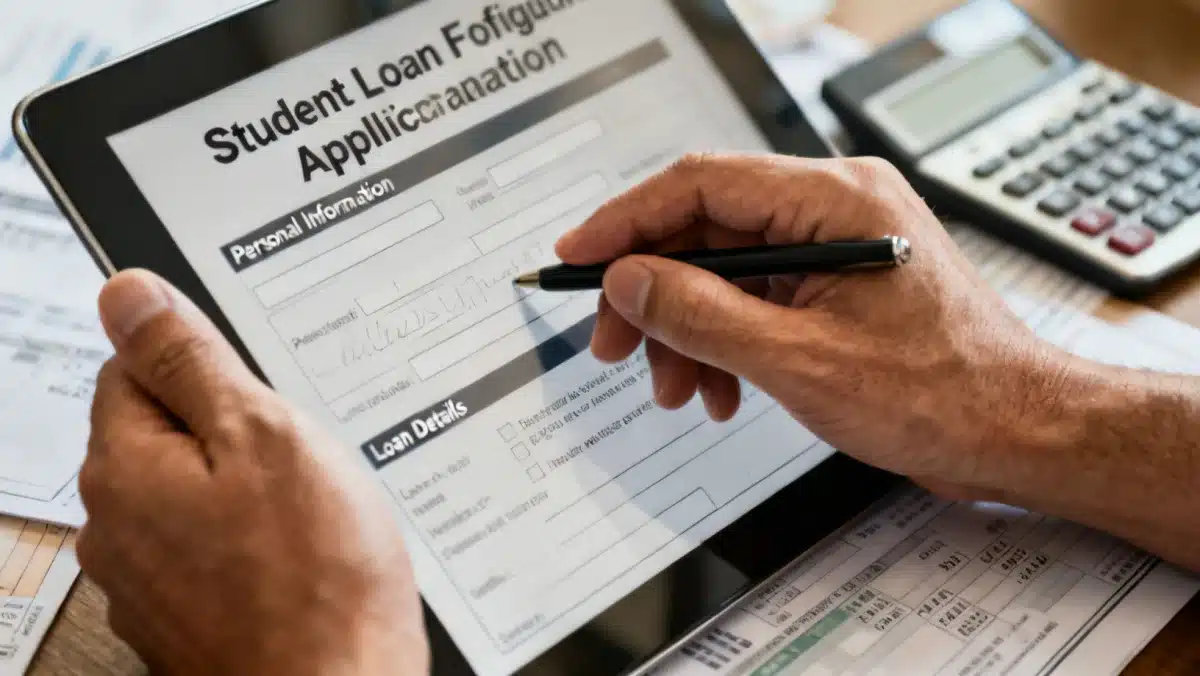
The application process itself also demands careful attention. Each program has its own forms, documentation requirements, and submission deadlines. Rushing through the process or providing incomplete information can hinder your chances of receiving relief.
Key Steps for Application Success
- Verify Loan Types: Confirm that your loans are federal and eligible for the program you’re applying to. Many programs only cover Direct Loans.
- Gather Documentation: This typically includes income verification, employment certification (especially for PSLF), and family size details. Keep organized records of all payments.
- Submit Timely: Pay close attention to deadlines. Some programs require annual certification or recertification of eligibility.
It is advisable to use the Loan Simulator tool on studentaid.gov to explore different repayment and forgiveness options tailored to your specific situation. This can help you understand which program might offer the most benefit and what steps you need to take. Carefully reviewing all instructions and seeking assistance from a loan servicer or trusted financial advisor if you have questions can significantly improve your application’s success rate.
Successfully navigating the application process requires diligence and attention to detail. By understanding the specific requirements and preparing thoroughly, borrowers can maximize their chances of achieving student debt forgiveness in 2026.
Special Considerations for Healthcare Professionals and Educators
Certain professions, particularly those in healthcare and education, often have dedicated student debt forgiveness programs or enhanced benefits within broader federal initiatives. These programs recognize the vital role these professionals play in society and aim to incentivize careers in underserved areas or critical fields. In 2026, these targeted programs continue to offer significant relief.
For healthcare professionals, options often include programs for nurses, doctors, and other medical practitioners who commit to working in high-need communities or specific fields. Educators, especially those in low-income schools, also have access to specific forgiveness pathways.
Targeted Forgiveness for Key Professions
- National Health Service Corps (NHSC) Loan Repayment Programs: Offers substantial loan repayment to healthcare providers who work in designated Health Professional Shortage Areas (HPSAs).
- NURSE Corps Loan Repayment Program: Provides loan repayment to registered nurses and advanced practice registered nurses working in eligible facilities in critical shortage areas.
- Teacher Loan Forgiveness (TLF): As mentioned, TLF is specifically for teachers who serve for five consecutive years in low-income schools, offering up to $17,500 in forgiveness.
- Perkins Loan Cancellation: While the Perkins Loan program has ended, existing Perkins loans may be eligible for cancellation for teachers, nurses, and other public service professionals.
These programs often have specific service commitments and eligibility criteria that differ from general federal forgiveness. It’s crucial for healthcare professionals and educators to research these specialized opportunities thoroughly. They can provide a more direct and often more substantial path to debt relief compared to general IDR forgiveness, recognizing the unique contributions of these essential workers.
The Role of State-Specific and Employer-Assisted Programs
Beyond federal initiatives, many states and even individual employers offer their own student debt relief programs. These can be particularly valuable for borrowers whose federal options are limited or who are seeking additional avenues for support. In 2026, the proliferation of these localized and private programs continues to grow, reflecting a broader effort to address student loan burdens.
State-specific programs often target residents working in high-demand fields within the state, such as healthcare, education, or public interest law. Employer-assisted programs, on the other hand, are benefits offered by companies to attract and retain talent, providing direct contributions to employees’ student loans.
Exploring Localized and Employer Benefits
- State Loan Repayment Programs: Many states have programs for professionals in specific fields (e.g., doctors in rural areas, teachers in underserved districts) who commit to working within the state for a set period. Research your state’s higher education agency for details.
- Employer Student Loan Repayment Assistance: A growing number of companies are offering this benefit. It can range from direct payments to loan servicers to matching employee contributions towards their student loans. Check with your HR department.
- Professional Organizations: Some professional associations offer grants or scholarships that can be used to pay down student debt, often for members who meet certain criteria or work in specific niches.
These programs can be excellent complementary options to federal forgiveness or standalone solutions for those with private student loans, which are typically not covered by federal forgiveness programs. It requires proactive research to uncover these opportunities, as they are often less publicized than federal programs. Combining federal, state, and employer benefits can create a comprehensive strategy for managing and ultimately reducing student debt.
Understanding the full spectrum of available support, from federal to local and employer-based, empowers borrowers to build a robust plan for debt relief. Each program has unique advantages, and exploring all avenues is key to financial well-being in 2026.
| Key Point | Brief Description |
|---|---|
| Federal Programs | PSLF, TLF, and IDR plans remain core for federal loan forgiveness, with evolving terms. |
| SAVE Plan Impact | The SAVE plan offers lower payments, interest subsidies, and faster forgiveness for many borrowers. |
| Legislative Changes | Stay informed on potential new laws or administrative actions that could alter forgiveness in 2026. |
| Diverse Options | Explore state-specific and employer-assisted programs for additional relief avenues. |
Frequently Asked Questions About Student Debt Forgiveness in 2026
PSLF continues to forgive the remaining balance on Direct Loans for borrowers working full-time for qualifying non-profits or government entities after making 120 qualifying monthly payments under an income-driven repayment plan. Eligibility rules are strictly enforced.
The SAVE plan calculates undergraduate loan payments at 5% of discretionary income and offers interest subsidies, preventing loan balances from growing due to unpaid interest. It also provides faster forgiveness for smaller original loan balances (10 years for $12,000 or less).
Generally, federal student loan forgiveness programs, including PSLF and IDR forgiveness, do not apply to private student loans. Borrowers with private loans should explore state-specific programs, employer assistance, or refinancing options.
Stay informed by regularly checking official government sources like studentaid.gov. Ensure your contact information is up-to-date with your loan servicer, and keep meticulous records of all payments and employment history, especially for PSLF.
While you can’t typically receive forgiveness for the same loan multiple times through different federal programs, you can often combine federal forgiveness with state-specific or employer-assisted programs for different loans or for additional financial support.
Conclusion
The student debt forgiveness 2026 landscape presents both established pathways and potential new opportunities for US borrowers seeking relief. By diligently understanding federal programs like PSLF, TLF, and the impactful SAVE plan, alongside exploring state-specific and employer-assisted initiatives, borrowers can strategically navigate their options. Staying informed and proactive is key to managing student loan debt effectively and achieving financial stability in the years to come.