Credit Score Optimization 2026: Boost FICO 50 Points

Anúncios
Achieving significant credit score improvement, like boosting your FICO score by 50 points in 6 months, requires strategic financial planning and consistent effort.
Anúncios
Are you looking to enhance your financial standing? Achieving significant credit score optimization for 2026 is entirely within reach, offering a clear path to boosting your FICO score by 50 points in just 6 months in the US.
Anúncios
Understanding your FICO score in 2026
Before embarking on any journey to improve your FICO score, it’s crucial to understand what it represents and how it’s calculated. Your FICO score is a three-digit number that lenders use to assess your creditworthiness, influencing everything from loan approvals to interest rates.
In 2026, the fundamental components of your FICO score remain consistent, though their exact weighting can subtly shift over time. These components include payment history, amounts owed, length of credit history, new credit, and credit mix. Each plays a vital role in determining your overall score, making a holistic approach essential for improvement.
Key factors influencing your FICO score
- Payment History: This is the most critical factor, accounting for approximately 35% of your score. Late payments can significantly harm your FICO score.
- Amounts Owed: This refers to your credit utilization ratio, which is the amount of credit you’re using compared to your total available credit. Keeping this ratio low (ideally below 30%) is crucial.
- Length of Credit History: The longer your positive credit history, the better. This factor considers the age of your oldest account and the average age of all your accounts.
Understanding these elements is the first step toward effective credit score optimization. By focusing on these areas, you can develop targeted strategies to see meaningful improvements.
In conclusion, a FICO score is more than just a number; it’s a reflection of your financial responsibility. A deep dive into its components provides the necessary foundation for any successful credit improvement plan, especially when aiming for a 50-point boost in half a year.
Strategic payment management for rapid improvement
Payment history is the backbone of your credit score, and mastering it is non-negotiable for anyone aiming for significant credit score optimization. Consistently making on-time payments demonstrates reliability to lenders and is the single most impactful action you can take to boost your FICO score.
To achieve a 50-point increase in 6 months, every payment must be on time. Even a single missed payment can set back your progress considerably. Consider setting up automatic payments for all your bills to ensure you never miss a due date. This simple step can prevent costly errors and build a strong foundation for your credit profile.
Automating your bill payments
Automating payments through your bank or directly with creditors can be a game-changer. It removes the human error element and ensures consistency. Always double-check that the automatic payments are set up correctly and that you have sufficient funds in your account to cover them.
- Set up recurring payments for credit cards, loans, and utilities.
- Monitor your bank account balance regularly to avoid overdrafts.
- Confirm payment confirmations from creditors to ensure successful transactions.
Beyond automation, actively managing your payment due dates can also help. If possible, adjust due dates to align with your paychecks, making it easier to ensure funds are available. This proactive approach to payment management is a cornerstone of effective credit score optimization.
In summary, meticulous payment management, especially focusing on timely and automated payments, is paramount. This strategy alone can significantly contribute to the desired 50-point FICO score increase within the ambitious 6-month timeframe.
Optimizing credit utilization ratio
Your credit utilization ratio, or CUR, is another critical factor for your FICO score, accounting for about 30% of its calculation. This ratio compares the amount of credit you’re using to your total available credit. A lower CUR indicates better financial health and is a powerful lever for credit score optimization.
To boost your FICO score by 50 points in 6 months, aiming for a CUR below 30% is a good starting point, but ideally, you should strive for under 10%. This means if you have a credit card with a $1,000 limit, you should ideally keep your balance below $100. Lowering this ratio can often lead to a quick bump in your score.
Strategies to reduce your credit utilization
There are two primary ways to reduce your CUR: paying down existing debt and increasing your available credit. Both strategies, when applied thoughtfully, can yield substantial improvements to your FICO score.
- Pay down balances: Focus on paying off credit card balances, especially those with high utilization. Even making multiple small payments throughout the month can help, as your CUR is often reported at the end of the billing cycle.
- Increase credit limits: Request a credit limit increase on existing cards, but only if you trust yourself not to spend more. This increases your total available credit without adding new debt, thus lowering your ratio.
- Avoid closing old accounts: Closing old, paid-off accounts can actually hurt your CUR by reducing your total available credit. Keep them open, even if you don’t use them frequently.
By strategically managing your credit utilization, you directly influence a major component of your FICO score. This focus on lowering balances and maintaining higher available credit is a key element of effective credit score optimization.
Ultimately, a disciplined approach to credit utilization is vital. By keeping your balances low relative to your limits, you send a clear signal of responsible credit management, paving the way for a significant FICO score improvement.
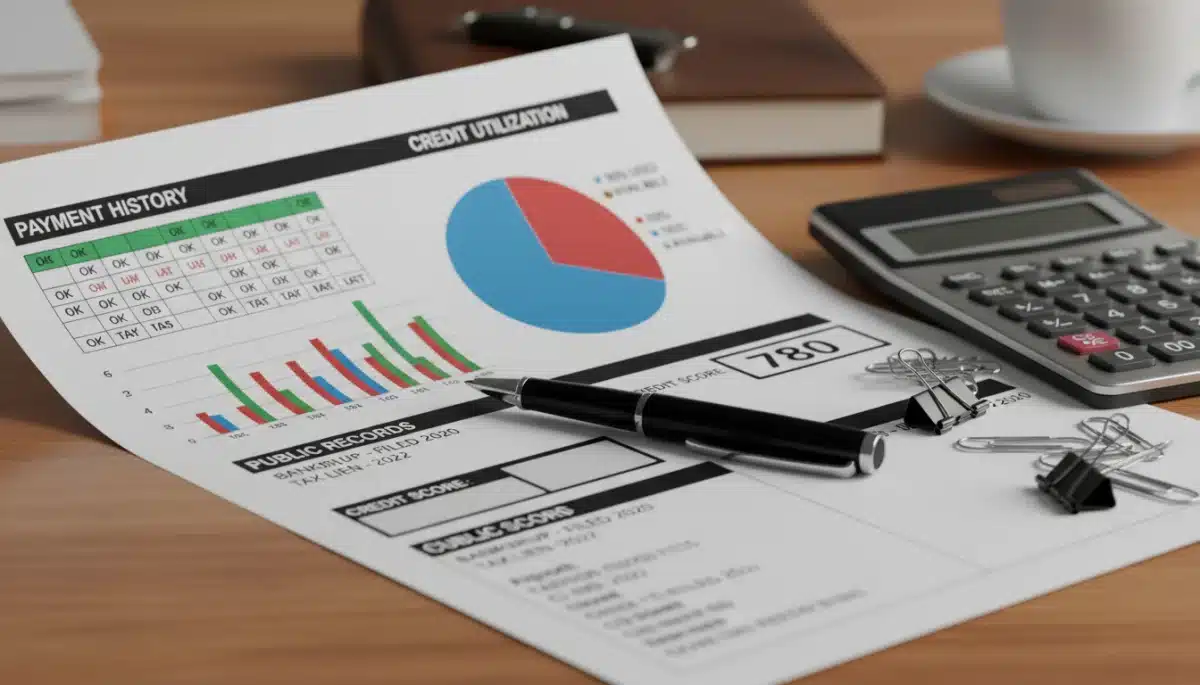
Managing new credit and credit mix
The factors of new credit and credit mix, while less impactful than payment history or utilization, still contribute to your FICO score and are essential for comprehensive credit score optimization for 2026. Opening new credit accounts can temporarily ding your score due to hard inquiries, but a healthy mix of credit types can be beneficial in the long run.
When aiming for a 50-point boost in 6 months, it’s generally advisable to limit new credit applications. Each hard inquiry can drop your score by a few points, and too many in a short period can signal risk to lenders. However, if your credit mix is lacking, strategically opening a new account might be beneficial after careful consideration.
Balancing new credit and inquiries
The key is balance. Avoid applying for multiple credit cards or loans simultaneously. If you need new credit, space out your applications. This minimizes the impact of hard inquiries and allows your score to recover.
- Limit new credit applications to essential needs.
- Space out applications over several months if new credit is necessary.
- Understand the difference between hard and soft inquiries, and how they affect your score.
Regarding credit mix, having a variety of credit types, such as installment loans (mortgages, car loans) and revolving credit (credit cards), can positively influence your score. It shows you can manage different types of debt responsibly. However, don’t take on debt you don’t need just to improve your credit mix.
In conclusion, while new credit applications should be approached cautiously, a diversified credit mix can ultimately strengthen your credit profile. Thoughtful management of these factors supports sustained credit score optimization and helps achieve your FICO goals.
Leveraging credit monitoring and reporting
In the pursuit of credit score optimization for 2026, actively monitoring your credit report and score is not just a good practice, it’s a necessity. Regular checks allow you to identify errors, track progress, and stay informed about any changes that might impact your FICO score. This vigilance is crucial for a 50-point boost in 6 months.
You are entitled to a free credit report from each of the three major credit bureaus (Experian, Equifax, and TransUnion) annually via AnnualCreditReport.com. In 2026, many services offer more frequent access, sometimes even weekly. Take advantage of these resources to scrutinize your reports for inaccuracies that could be holding your score back.
Disputing errors on your credit report
Even minor errors on your credit report can negatively affect your FICO score. These could include incorrect account balances, accounts that don’t belong to you, or outdated information. Identifying and disputing these errors quickly can lead to a significant and relatively rapid score increase.
- Regularly check all three credit reports for discrepancies.
- Gather documentation to support your dispute claim.
- Submit disputes directly to the credit bureaus and the creditor involved.
Beyond error correction, credit monitoring services can provide real-time alerts for suspicious activity, protecting you from identity theft and fraud, which can severely damage your credit. Many banks and credit card companies offer free credit score access, making it easier than ever to keep an eye on your progress.
Ultimately, proactive credit monitoring and diligent error resolution are indispensable tools for credit score optimization. They provide the necessary transparency and control to effectively manage your credit health and achieve your FICO improvement targets.
Long-term habits for sustained FICO growth
While the goal of boosting your FICO score by 50 points in 6 months is ambitious and achievable, true credit score optimization for 2026 extends beyond this initial push. Developing sustainable financial habits is key to maintaining and further improving your credit score over the long term, ensuring lasting financial stability.
Establishing these habits now will not only help you meet your immediate 6-month goal but also set you up for future success, making it easier to secure favorable rates on mortgages, car loans, and other financial products. It’s about building a robust financial foundation that withstands economic fluctuations.
Essential habits for enduring credit health
Focusing on consistent, positive financial behaviors will compound over time, leading to continuous credit growth. These habits are simple but require discipline and commitment.
- Budgeting: Create and stick to a realistic budget to manage your income and expenses effectively, preventing overspending and ensuring funds are available for debt payments.
- Emergency Fund: Build an emergency fund to cover unexpected expenses. This prevents you from relying on credit cards during crises, which can lead to high utilization.
- Review Financial Goals: Periodically review your financial goals and adjust your credit strategy accordingly. Life changes, and your financial plan should evolve with it.
Cultivating a mindset of financial responsibility means understanding that your credit score is a dynamic entity, requiring ongoing attention. It’s not a one-time fix but a continuous journey of smart choices and diligent management.
In conclusion, while quick gains are possible, the real power of credit score optimization lies in adopting long-term habits. These practices ensure not just a temporary boost but a lifetime of strong financial health and opportunities.
| Key Strategy | Brief Description |
|---|---|
| On-Time Payments | Always pay bills by the due date to build positive payment history. |
| Lower Credit Utilization | Keep credit card balances below 30% (ideally 10%) of your credit limit. |
| Monitor Credit Reports | Regularly check for errors and dispute any inaccuracies to protect your score. |
| Strategic New Credit | Limit new applications and maintain a healthy mix of credit types. |
Frequently asked questions about FICO scores
Improvements can be seen relatively quickly, often within 1-2 billing cycles, especially if you focus on reducing high credit utilization or correcting errors. A 50-point boost in 6 months is an ambitious but achievable goal with consistent effort and strategic actions.
Generally, no. Closing old accounts can actually harm your FICO score by reducing your total available credit and shortening your average length of credit history, both of which are negative factors. It’s usually better to keep them open, even if unused.
Your payment history is the most impactful factor, accounting for 35% of your FICO score. Consistently making on-time payments across all your credit accounts is the single most effective way to build and improve your creditworthiness over time.
Only if it makes financial sense and you can manage it responsibly. While a diverse credit mix can help, opening new lines of credit just for this purpose might introduce hard inquiries and new debt. Focus on managing existing accounts well first.
It’s recommended to check your credit report from each of the three major bureaus at least once a year. Many services also offer more frequent monitoring. Regular checks help you spot errors and identify potential fraud quickly, protecting your FICO score.
Conclusion
Achieving significant credit score optimization for 2026, specifically boosting your FICO score by 50 points in 6 months in the US, is a tangible goal through diligent effort and strategic financial management. By focusing on timely payments, reducing credit utilization, thoughtfully managing new credit, and consistently monitoring your reports, you can lay a robust foundation for enduring financial health. These practices not only lead to immediate score improvements but also cultivate habits that ensure long-term stability and greater access to financial opportunities.